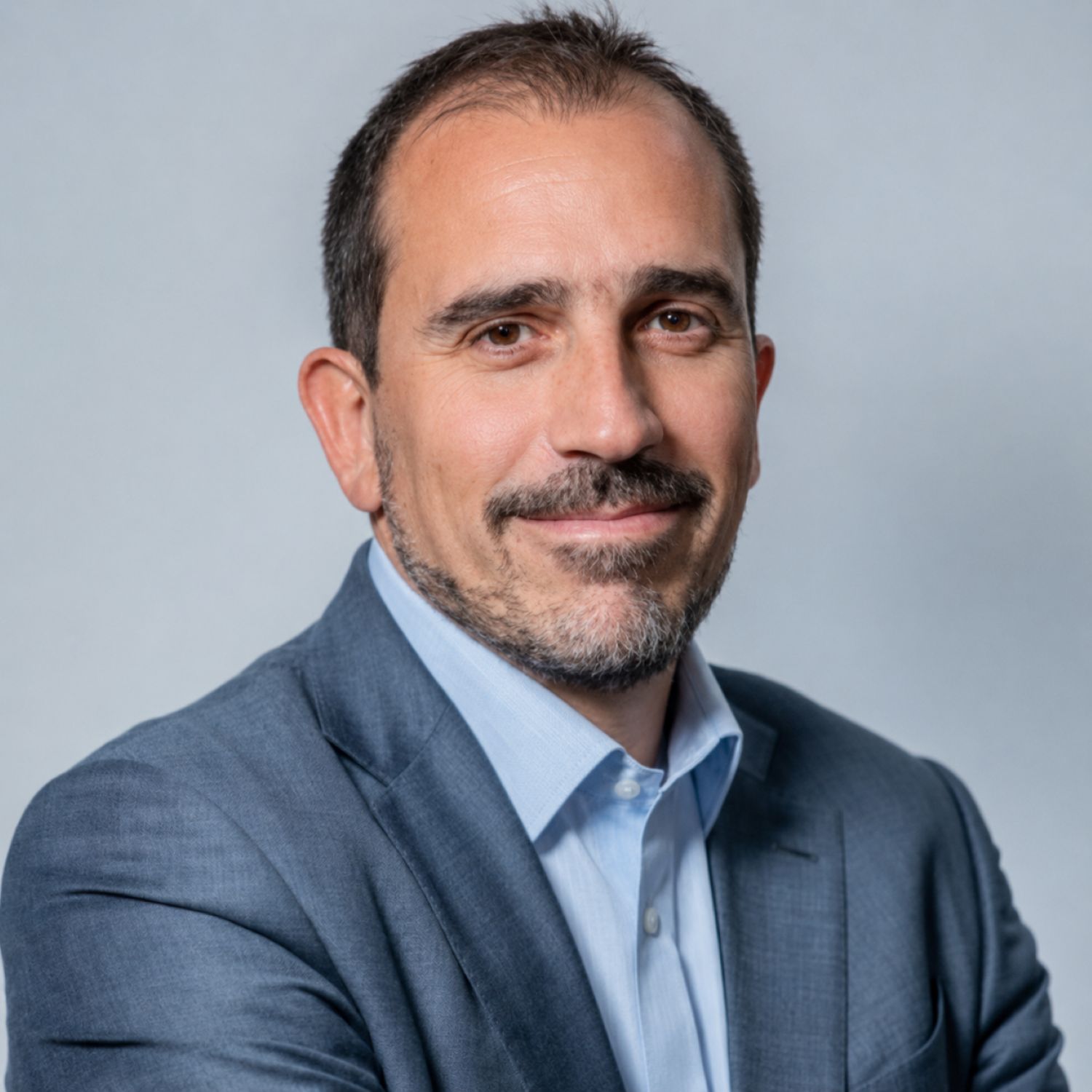
Vicki Hollub, born in Alabama, United States, in 1960, is a prominent mining engineer who led Occidental Petroleum for ten years, a hydrocarbons company with operations in the United States and the Middle East. After ten years as president and chief executive officer, in early 2026, the American executive announced her retirement and her decision to step aside.
From 2016 to 2026, Hollub led Occidental Petroleum, becoming one of the few women in the sector to head an oil company. Her departure is expected to take place in June 2026, and her time at the company will remain a defining stage in its recent history. During her tenure, the company reduced debt, focused on drilling and strengthened oil and gas production in North America.
In 2016, when she was appointed CEO and president of the company, she became the first woman to take charge of a major oil company. That same year, Forbes, a magazine specialized in business, ranked her among the 40 most powerful women in the world. In addition to strengthening production in the United States, Hollub concentrated part of her work on Latin America and the Middle East.
In 2025, Hollub’s retirement was first raised publicly, information reported by Reuters and later confirmed. Occidental Petroleum began preparing the transition of one of the women who entered a field historically dominated by men and did not go unnoticed. Her management combined a stock market downturn, new investments and greater development and production across other continents.
Born in the state of Alabama, Hollub studied Mineral Engineering at the University of Alabama. She joined Occidental Petroleum in 1981 as a field engineer and developed her entire professional career within the company. Over several decades, she held technical and executive positions linked to oil operations, production and energy asset management, building a reputation based on her knowledge of the upstream business, meaning the exploration and production of oil and gas.
Hollub’s career in energy and oil
Throughout her career, she specialized in oil production and developed a strong focus on operational efficiency. She worked on enhanced oil recovery projects, a technique that makes it possible to increase crude extraction from mature reservoirs through advanced technologies.
One of the most important moments of her leadership came in 2019, when she led the acquisition of Anadarko Petroleum for approximately 55 billion dollars. The operation was one of the largest transactions in the recent history of the oil industry and transformed Occidental into one of the leading hydrocarbon producers in the United States, especially in the Permian Basin region. The purchase was financially backed by Warren Buffett and Berkshire Hathaway.
The acquisition also represented one of the greatest challenges of her career. The operation significantly increased Occidental’s debt level, and shortly afterward the company faced the global collapse in oil prices during the COVID-19 pandemic. Hollub had to implement an aggressive plan of cost reductions, asset sales and financial restructuring to stabilize the company. These measures were later supported by the market rebound.
Unlike other executives, Hollub actively promoted investments aimed at reducing emissions through technologies capable of capturing carbon dioxide directly from the atmosphere. Under her leadership, Occidental became one of the oil companies most committed to developing large-scale direct carbon capture projects.
Awards and distinctions
During her management, Hollub received numerous distinctions and recognitions that positioned her as one of the most influential executives in the global energy industry.
In different international energy forums, she was recognized as one of the main promoters of these technologies within the oil sector. Her defense of direct carbon dioxide capture as a tool to reduce emissions allowed her to differentiate herself from other industry executives who maintained more conservative positions regarding the energy transition.
Hollub participated as a speaker in some of the world’s most relevant energy gatherings, including international conferences on energy, climate change and energy security. Her frequent presence in these spaces consolidated her profile as one of the most listened-to voices in the sector. Taken together, the awards, recognitions and milestones of her career reflect the impact she had both on the oil industry and on the global debate about the future of energy.
From her perspective, the world will continue to need hydrocarbons for several decades, but the industry must simultaneously invest in innovation to reduce the emissions associated with their production and consumption. Her vision combines the defense of oil and gas production with the promotion of technologies designed to reduce the sector’s environmental footprint.