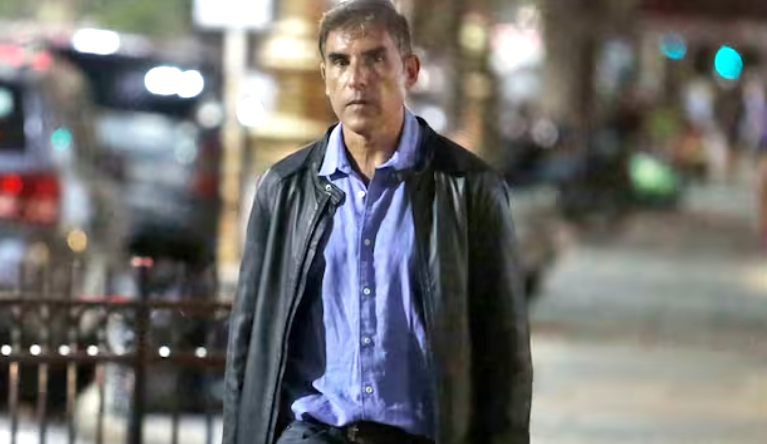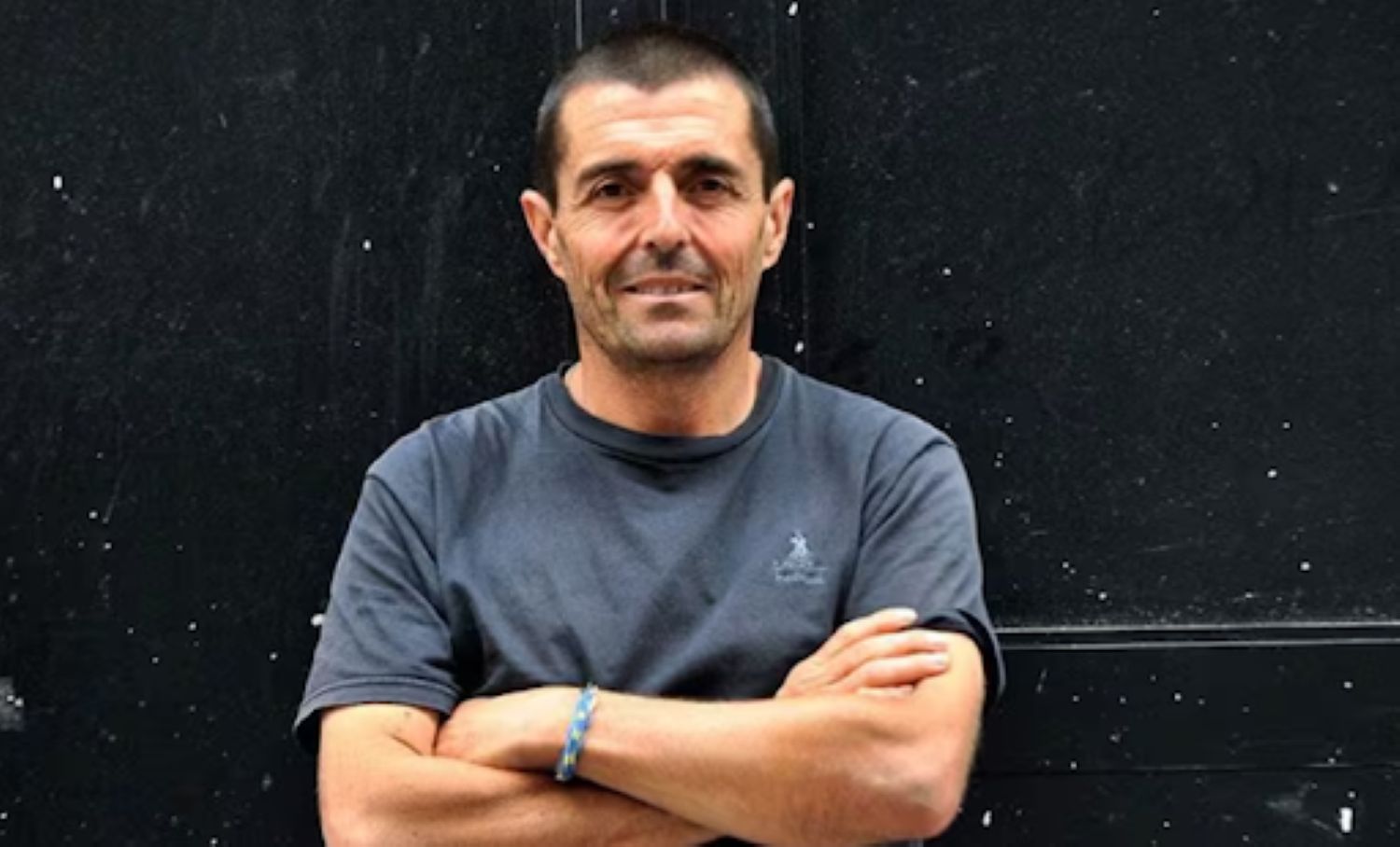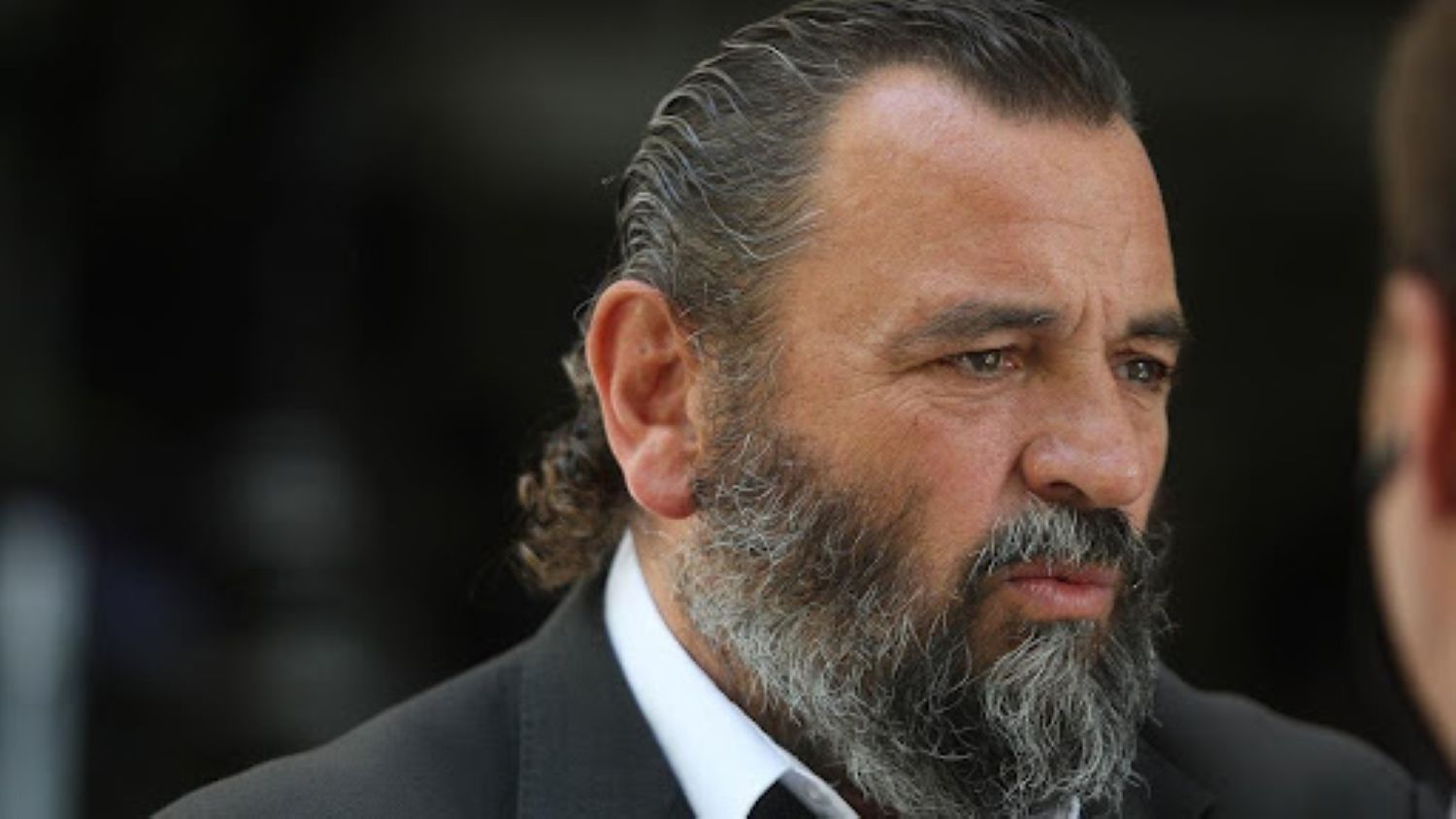
José María Campagnoli, an Argentine lawyer and prosecutor born on January 3, 1961, in the Autonomous City of Buenos Aires, is one of the most recognized and controversial figures in Argentina’s judiciary. Throughout his extensive career, he has been characterized by his role in promoting investigations of high political and social impact.
His public relevance stems not only from the corruption, human trafficking and football violence cases he handled, but also from the institutional conflicts he had to face with spheres of political power.
Campagnoli: his beginnings in the courts
Campagnoli began his academic path at the University of Buenos Aires, where he graduated as a lawyer, while his professional career began in 1979, when he started as a court trainee in the judiciary.
Throughout his career, he gained experience in criminal justice and was promoted to court secretary.
In 1993, the lawyer was appointed national prosecutor.
During that decade, Campagnoli became part of a group of prosecutors known in judicial circles as “Los Centauros,” under the leadership of prosecutor general Norberto Quantín. This group was characterized by its active investigation of corruption cases and crimes of high political impact during the Menem administration.
Throughout that decade and the 2000s, the prosecutor also intervened in multiple cases of major political, social and public repercussion. Among them, he participated in cases related to the prostitution of minors, concealment of prostitution and trafficking of women, which led to the arrest of widely known political figures, including federal judge Norberto Oyarbide.
He also took part in cases that brought other important figures under judicial scrutiny, such as José Manuel Pico for illicit enrichment.
In 2007, his role in the investigation of the River Plate football club barrabrava for money laundering became publicly known, as did his role in the Cabello case.
That case occurred when Cabello, then 19 years old, ran over and killed a mother and daughter while taking part in an illegal street race. The case file caused public outrage and became the focus of demands for stronger action against road crimes because, after a conviction for double homicide, the sentence was reduced to two years and ultimately allowed his release after he had spent almost two years in detention, as well as his return to driving.
At the end of 1999, Campagnoli was also a pioneer in the implementation of neighborhood prosecutor’s offices, with the aim of bringing criminal justice closer to residents and working together with police stations in the area.
Campagnoli: the Lázaro Báez case and the impeachment proceedings
The greatest point of tension in Campagnoli’s career occurred in 2013, when his prosecutor’s office began investigating financier Federico Elaskar and businessman Lázaro Báez, who was closely linked to the executive branch at the time, in a case involving alleged money laundering and extortion that the press called “The K Money Trail.”
As the case advanced, at the end of 2013, the then attorney general of Argentina, Alejandra Gils Carbó, suspended him from his position and promoted the opening of impeachment proceedings, accusing him of having assumed powers that belonged exclusively to federal jurisdiction.
This episode triggered an intense institutional conflict and a strong public debate over the independence of magistrates in Argentina. Some political and civic sectors interpreted the measure as an attempt at political censorship and organized large civic demonstrations in support of the prosecutor.
The Legislature of the City of Buenos Aires also declared him an “Illustrious Citizen.”
Finally, in July 2014, the tribunal failed to gather the necessary votes to remove him and decided to lift the suspension. Campagnoli was reinstated in his position at the head of the Saavedra and Núñez prosecutor’s office and became a symbol of judicial resistance.
After his reinstatement, the Argentine prosecutor continued to perform his duties and also took charge of the Specialized Prosecutorial Unit for Complex Criminal Investigation, known as UFECRI.
UFECRI depends on Argentina’s National Public Prosecutor’s Office, and among its main functions are the collection, processing and analysis of information from criminal cases involving unknown perpetrators, with the aim of identifying and linking those responsible.
In 2018, Campagnoli received the Konex Award in the magistrates category, which recognizes judges and members of the judiciary with outstanding careers in Argentina.
Campagnoli is widely known nationally: for his supporters, because of his connection with the clarification of public corruption cases; for his critics, because they consider him an official who assumed powers in order to gain a media profile. His profile stands out within Argentine criminal justice and institutional life over recent decades.