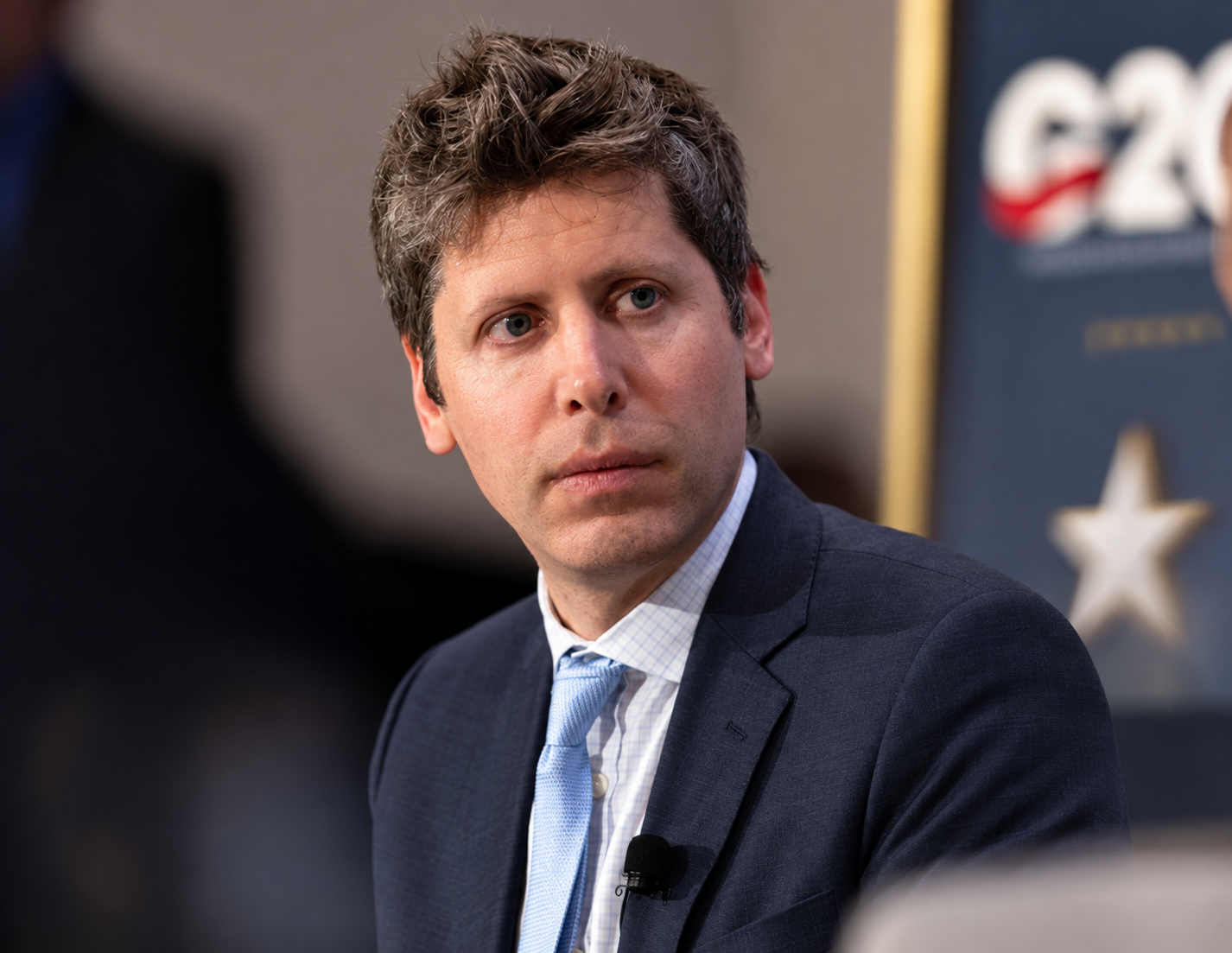
John Ternus earned the nickname Crash after an accident with his university’s milling machine. He came close to breaking the only machine of its kind available to the engineering students. Years later, by then an Apple executive, he told the story again before a graduating class.
He also recalled another scene from his first months at the company. It was one in the morning, and he was at a supplier’s factory, far from California, examining a screw with a magnifying glass.
The screw belonged on the back of a monitor. The design called for twenty-five grooves in its head; the supplier had made thirty-five. It fit and served its purpose, but it looked different. Ternus was still discussing that difference at an hour when he himself began wondering whether it made sense to be there.
He told the anecdote in May 2024, during the commencement address at the school where he had studied. He still remembered the monitor’s transparent casing and how the stainless steel screws shone when the light hit them.
That night, he wondered whether his concern was normal. He concluded that perhaps it was not, but that the work deserved that care. He had devoted months to the product and wanted to finish it as well as possible.
Ternus has been Apple’s CEO since September 1, 2026. He is 51 and is the company’s eighth chief executive. His appointment was announced on April 20, with the board’s unanimous support. Tim Cook left the position after fifteen years and became executive chairman, with responsibilities for relations with the governments of the United States and China.
The University Years
Ternus graduated in Mechanical Engineering and Applied Mechanics from the University of Pennsylvania in 1997. Alongside his studies, he was a member of the swimming team. He won freestyle and individual medley events.
The accident with the computer-controlled machine, used to manufacture precision parts, happened during his final year. His classmates called him Crash for the rest of the course. He revisited the episode decades later when he returned to the university to address the graduates.
His final project had been considerably more serious: he designed a mechanical arm that allowed a person with quadriplegia to feed themselves through head movements. He was 21. The university still mentions that work when reviewing his career.
In his 2024 address, he recommended that students trust their abilities while leaving room to learn from others. They could consider themselves as intelligent as anyone in a meeting, he said, without assuming that they knew the same things. He also advised them to choose projects that interested them and aligned with their values.
From His First Monitor to Vision Pro
Before joining Apple, he worked at Virtual Research Systems, a company that manufactured virtual reality headsets. It was the 1990s. Much later, he would work with that technology again, this time as one of those responsible for Vision Pro’s hardware.
He joined Apple in 2001 as part of the product design team. His first project was the Cinema Display, the desktop monitor with a transparent casing. The screws he inspected in the early hours belonged to that device.
In 2013, he was appointed vice president of Hardware Engineering. In 2021, he became senior vice president and took charge of the entire division. He worked on the iPad, various generations of the iPhone, Apple Watch, AirPods and Vision Pro.
He also participated in the Mac’s transition from Intel processors to Apple’s own chips. It was one of the company’s most important technical decisions during those years and required coordinating the development of the computers with that of the new processors.
Outside work, he keeps a low profile. Among the few known personal activities are scuba diving and rally racing, which he shares with colleagues. He also takes underwater photographs with his iPhone.
More Time With the Designers
According to Bloomberg reports, Ternus began his tenure by devoting much of his time to the design studio. He works with Molly Anderson, who oversees industrial design, and Stephen Lemay, who is responsible for interface design. Both teams already reported to him before he became CEO.
Apple did not formally refill the chief design officer position held by Jony Ive, who left the company in 2019. The responsibilities were divided among different areas.
The same reports describe Cook’s much more limited involvement in that daily work: brief studio visits and quarterly reviews. His expertise lay in operations and the supply chain, where he had built much of his career.
Ternus knows product development from the inside. He can now continue participating in that process, although he has other responsibilities to attend to. Cook defended that allocation of time with a practical argument: each executive should focus on where they can contribute most.
The question is whether that experience is enough to address Apple’s lag in artificial intelligence.
The Pressure on Siri
Since his appointment was announced, one of the most frequently asked questions has been why Apple chose a hardware engineer when some of its most urgent problems lay in software.
Siri’s overhaul, based on Google’s Gemini technology, is at the center of that discussion. Early evaluations of the assistant highlight improvements, while also noting that they come after advances by its competitors. That is why Craig Federighi, who oversees software, had been mentioned among Cook’s possible successors.
Carolina Milanesi, an analyst at Creative Strategies, offers another interpretation. She argues that the device remains the first connection with the buyer: before someone uses its artificial intelligence features, they have to want to buy it.
Dan Ives, by contrast, warns that Ternus will have little room to delay results in that area. The choice of the new CEO does not lower expectations for Siri or the other AI features.
For now, Apple’s financial results show no sign of a crisis. During the third fiscal quarter of 2026, the company reported revenue of $109.4 billion, up 16% from a year earlier and a record for that period. iPhone revenue grew by 22%.
The Products He Was Already Preparing
Ternus arrives in the role with an advantage: he knows the devices Apple has in development. Much of what the company could launch over the next two or three years passed through his division.
According to reports on those projects, he championed a foldable iPhone and a home display capable of recognizing the person speaking and adapting its content. There are also reports of AirPods with cameras, smart glasses, a display supported by a robotic arm and a pendant device with a camera.
These projects are at different stages of development, and several depend on Apple successfully integrating artificial intelligence features that are useful and reliable.
One of his first decisions was to reorganize Hardware Engineering around an AI platform intended to accelerate product development.
He also has to build his executive team. Over the past three years, the chief financial officer, chief operating officer and CEO have changed. Reports of further departures suggest that the renewal could continue.
Ternus made his first public appearance as chief executive at the September 9 event at Apple Park. For years, he could focus on how each product was made. Now he also has to decide which ones deserve investment, when they are ready and with whom he will bring them to fruition.