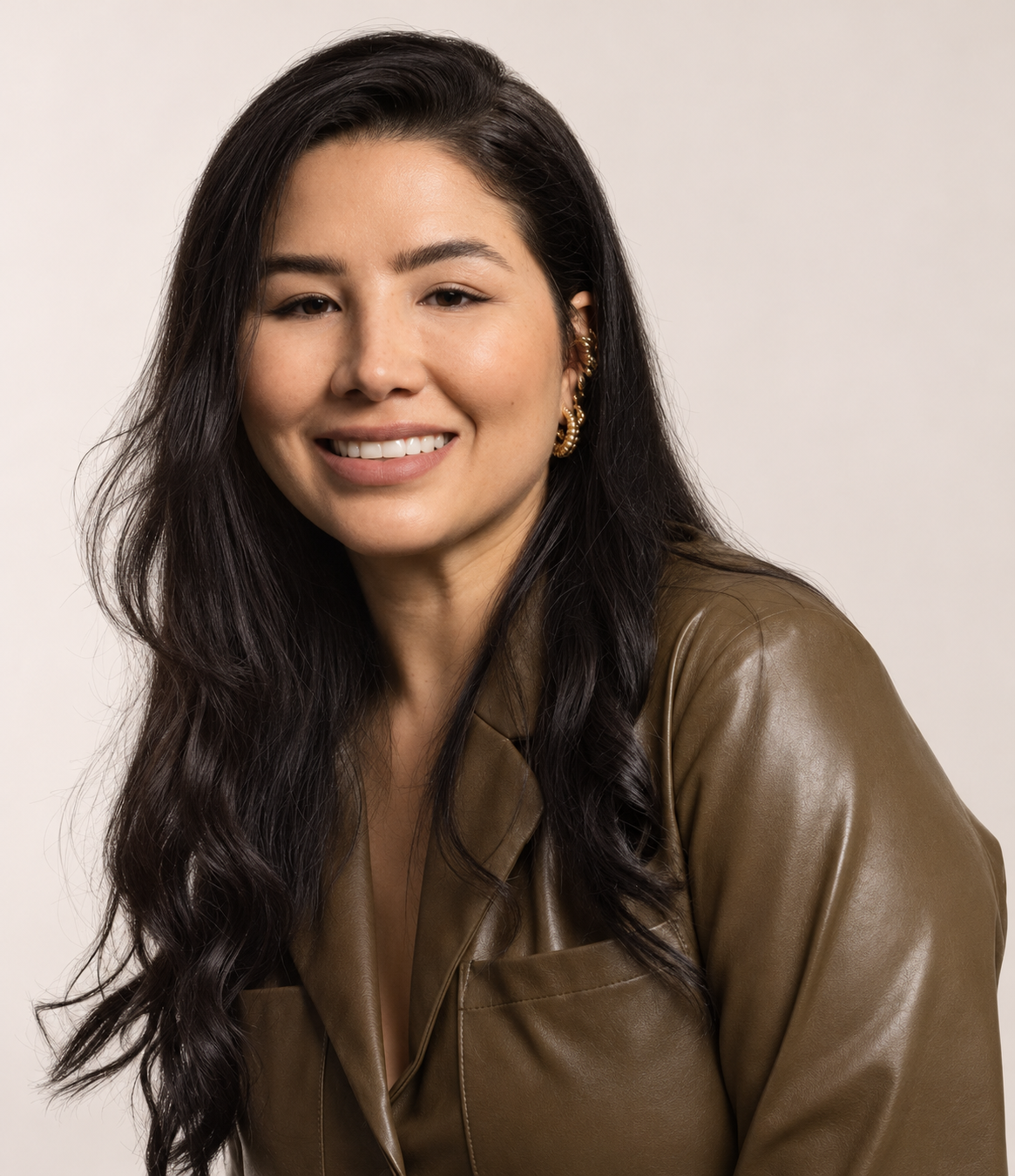

When Tivisay Vallejo Sánchez founded biia in 2024, she envisioned working with companies in Colombia and abroad. She wanted to build a team based in Latin America and offer its artificial intelligence services in other countries as well. With that goal in mind, she gave the company an international structure from the start.
The company now operates in Colombia, Mexico, El Salvador and the United States. Its projects include a Coca-Cola Christmas campaign that let people create personalized wrapping paper through WhatsApp. According to figures released by biia and its partners, the experience generated nearly two million interactions.
In 2026, Vallejo Sánchez was named one of five finalists in the Most Disruptive category at the Women in Tech LATAM Awards. When she received the news, she credited her team and the clients and partners who had trusted the company from the beginning.
Thinking Beyond Colombia
Vallejo Sánchez is Colombian and founded biia to work with organizations in different countries. The company is incorporated in the United States as biia Group LLC and brings together Latin American talent to develop artificial intelligence projects.
Her team works with machine learning, data processing and digital communication tools. Its work includes building conversational assistants and systems that can be integrated into the channels companies already use to serve their customers.
The company says it continues supporting clients after a tool goes live so they can use and maintain it over time. Each project depends on the problem the organization needs to solve and the channels where it wants to deploy the tool.
Vallejo Sánchez believes a company from the region can compete in technology by combining existing tools with an understanding of each client’s problems.
Wrapping Paper Created Through WhatsApp
One of the projects that raised biia’s profile was Papel Mágico, a Coca-Cola Christmas campaign that ran in eight Latin American countries.
The process was simple for participants. They sent a photo through WhatsApp and chatted with a holiday assistant to create a personalized wrapping paper design. Behind the scenes, the system used generative AI and image creation tools.
The biia team developed the technology that powered the conversation with the assistant. To launch it, the team worked with Infobip and used services from AWS and Google.
According to figures released by the companies, the campaign handled nearly two million interactions and achieved a success rate of more than 99%. For Vallejo Sánchez, the project showed how a chat could become a place to create something personal and share it.
The campaign shows how biia works. It builds on platforms from major technology companies to meet a specific need. In this case, the technology powered both the conversation and the image each participant received.
A Nomination and a Trip to Silicon Valley
In 2026, Vallejo Sánchez was named a regional finalist at the Women in Tech LATAM Awards. She competed in the Most Disruptive category, which recognizes projects and leaders in technological innovation.
The ceremony took place in Cartagena on August 27. When her nomination was announced, Vallejo Sánchez said the recognition also belonged to the people who had worked at biia and to those who had hired the company.
That same year, biia was selected for the Global Startup Launchpad, a program run by AmCham Colombia and Compensar that took ten Colombian startups to Silicon Valley.
During the trip, the teams met with prospective clients, partners and investors. Several of those conversations took place around TechCrunch Disrupt 2026. According to figures released about the trip, the delegation held 171 meetings in total.
Before leaving, Vallejo Sánchez shared her anticipation on social media in a short message: “San Francisco, here we come.” For biia, the program was a chance to present its work to companies and contacts beyond the markets where it already operated.
Women in Technology
Alongside her work at biia, Vallejo Sánchez often speaks about women’s roles in the technology sector. She points to the growing range of positions women hold, from leading projects to working in sales and growth.
She believes making those career paths visible can help other women see themselves working in technology. Trade publications also covered the Coca-Cola and Infobip campaign as a project in which women contributed at several stages, from strategy through implementation.
Her own Women in Tech nomination came less than three years after biia began operating. For Vallejo Sánchez, it was a chance to show what her team was doing from Latin America.
A Tool for Each Problem
Vallejo Sánchez wants biia to take the tools already available and adapt them to the problems organizations need to solve. Building foundation models to compete with major technology companies is outside that plan.
The work can involve answering questions through WhatsApp, processing information or connecting different communication channels. In each case, the question is how the technology fits into a company’s daily work.
Since founding biia in 2024, Vallejo Sánchez has sought clients and partners in several countries. The regional Coca-Cola campaign, the company’s other projects and the trip to Silicon Valley all grew out of the same idea: building a company in Latin America that could work with clients around the world.