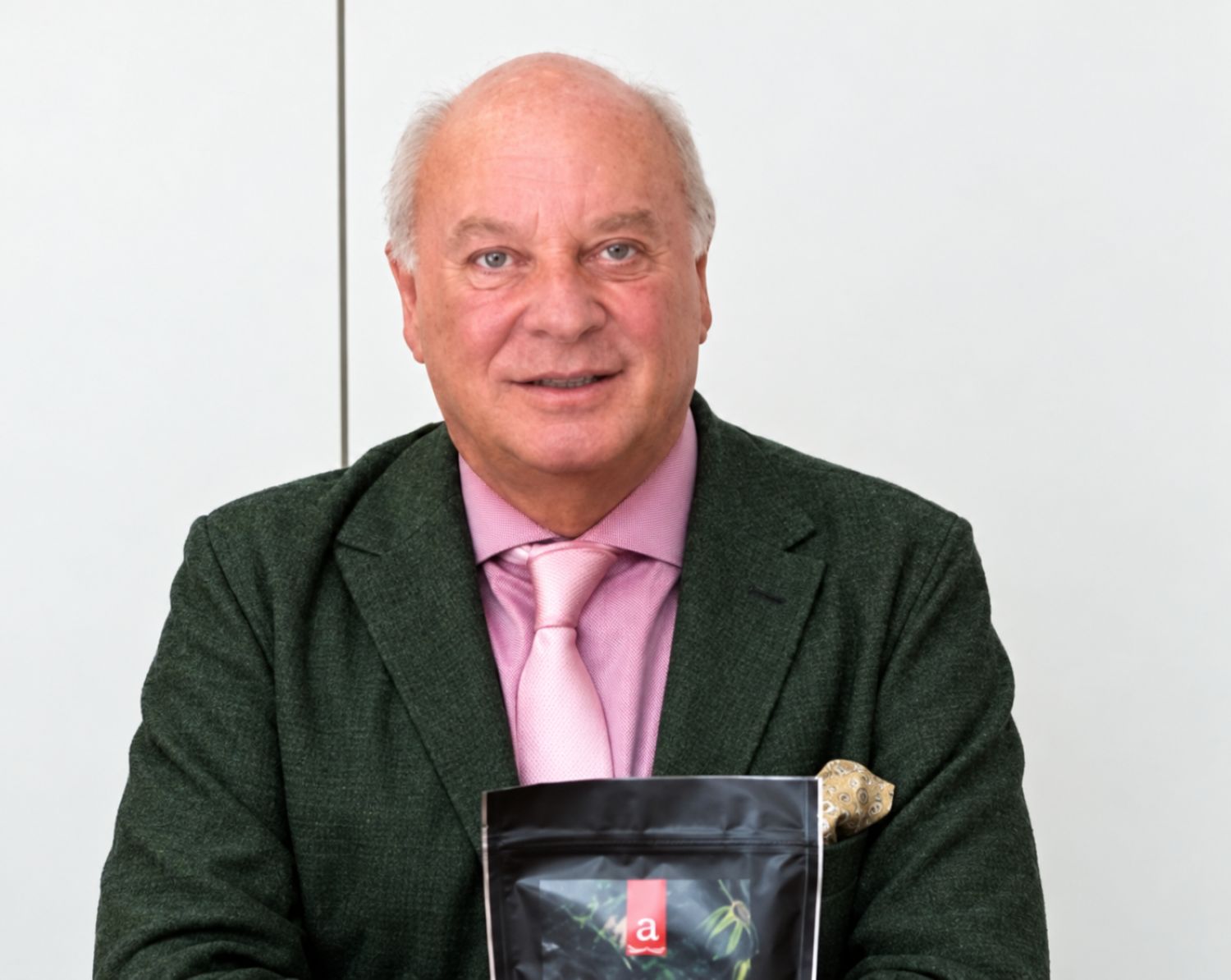
When Pablo Paladini sees a package bearing his surname on a supermarket shelf, he thinks about what it means to put the family name on the brand. He says it makes the decisions he takes as company president feel personal. He is part of the third generation to lead the business, and several members of the fourth have already joined it.
The company began in the southern part of Greater Rosario and marked its centenary in August 2023. It remains family-owned, with 2,200 direct employees and another 1,600 jobs supported indirectly. It operates seven plants on a 50-hectare site in Villa Gobernador Gálvez, south of Rosario. From there, it runs much of an operation that requires as much care on the road as it does at the factory. Its refrigerated foods have to reach customers across Argentina without breaking the cold chain.
A century-old brand
Paladini was founded on August 15, 1923, and grew over the following decades by selling deli meats and sausages. Mortadella, cooked ham, and hot dogs are still among its best-known products. Over the years, it added cheeses, breaded chicken, plant-based burgers, pizzas, empanadas, breaded cutlets, and frozen par-fried potatoes.
Paladini makes some of its products in its own plants. For the rest, it works with suppliers that follow the company’s recipes. Paladini’s quality team checks the products at those suppliers’ facilities. That arrangement lets the company expand its range without building a plant for every product line.
Before Pablo, his father, Roberto Paladini, was a prominent business figure in the region. With the third generation in charge, the company bought the Espuña brand and a plant in Pergamino from the Spanish Espuña family. The plant produces cured meats, hams, and salamis. In Villa Gobernador Gálvez, the company concentrates its deli meat production, pig and cattle slaughter, wastewater treatment, and research and development.
Keeping the cold chain intact
Paladini coordinates refrigerated distribution without owning a fleet. It works with about 250 small and midsize trucking companies and independent haulers. They deliver products to its nine branches and, in some cases, straight to supermarket distribution centers. The company says its network makes it Argentina’s second-largest cold-chain transporter.
For Pablo Paladini, a delivery is done properly when the products arrive at the right temperature. Keeping them cold throughout the trip raises distribution costs, but he says customers value the care that goes into it. The company employs 88 people in its quality department.
In 2026, Paladini announced plans to invest about $30 million to increase cooked ham production and improve its distribution network. The company plans to put up most of the money and cover the rest with loans from Argentina and abroad. Pablo Paladini told Ámbito that more predictable inflation had made it possible to plan investments again. Interest rates still limit how much the company can borrow.
Paladini also sells directly to shoppers through Paladar, a network of company-owned stores in Rosario and Villa Gobernador Gálvez. The stores carry its full range. For Paladini, their main purpose is to show customers products they might not find together in a supermarket. The company discussed offering franchises, then put the idea on hold.
What changes when prices stabilize
Paladini explains the effect of inflation by recalling what used to happen on Fridays. When prices were rising quickly, some customers preferred to end the week with more stock on hand instead of holding on to their pesos. A strong day of sales could make it look as though consumer demand had grown, when some customers had simply brought their usual orders forward.
With more stable prices, he says, shoppers have more time to compare prices, ingredients, and alternatives. The company has spent years reducing sodium in products such as cooked ham. Social media has also changed how people interact with the brand. A question about an ingredient or a comment about a product can now go straight to the company.
Exports remain a work in progress. Paladini wants its products to reach store shelves abroad under its own brand. In an interview with Apertura, part of El Cronista, Pablo Paladini said the project was moving more slowly than he had expected. He believes years of restrictions on Argentine exports left overseas buyers with doubts. He also said the government could help lower the costs companies face when exporting.
Learning to be a shareholder
Paladini’s family governance protocol sets out the role family members play in the company. They sit on the board and leave day-to-day management to a team of professionals from outside the family. Pablo Paladini says that division of responsibilities helps the company make decisions faster.
Some family members have built careers elsewhere. For current and future shareholders, the company takes time to explain how the business works and what responsibilities they will have at shareholders’ meetings. Pablo Paladini sees understanding the business as part of learning how to look after it. He says each generation has to build its own connection to the work, as the founders did.
The family has received offers to buy the company more than once. One of the most significant came in the 1990s. Pablo Paladini says that if someone made another offer, he would hear them out. The company remains wholly owned by the family.
To explain what it means to put his surname on every package, Paladini likes to imagine what the package would say if it could talk. It would tell you where the ingredients came from, how the food was made, and what checks it went through before reaching the shelf. For him, putting the family name on the package means answering for every step.