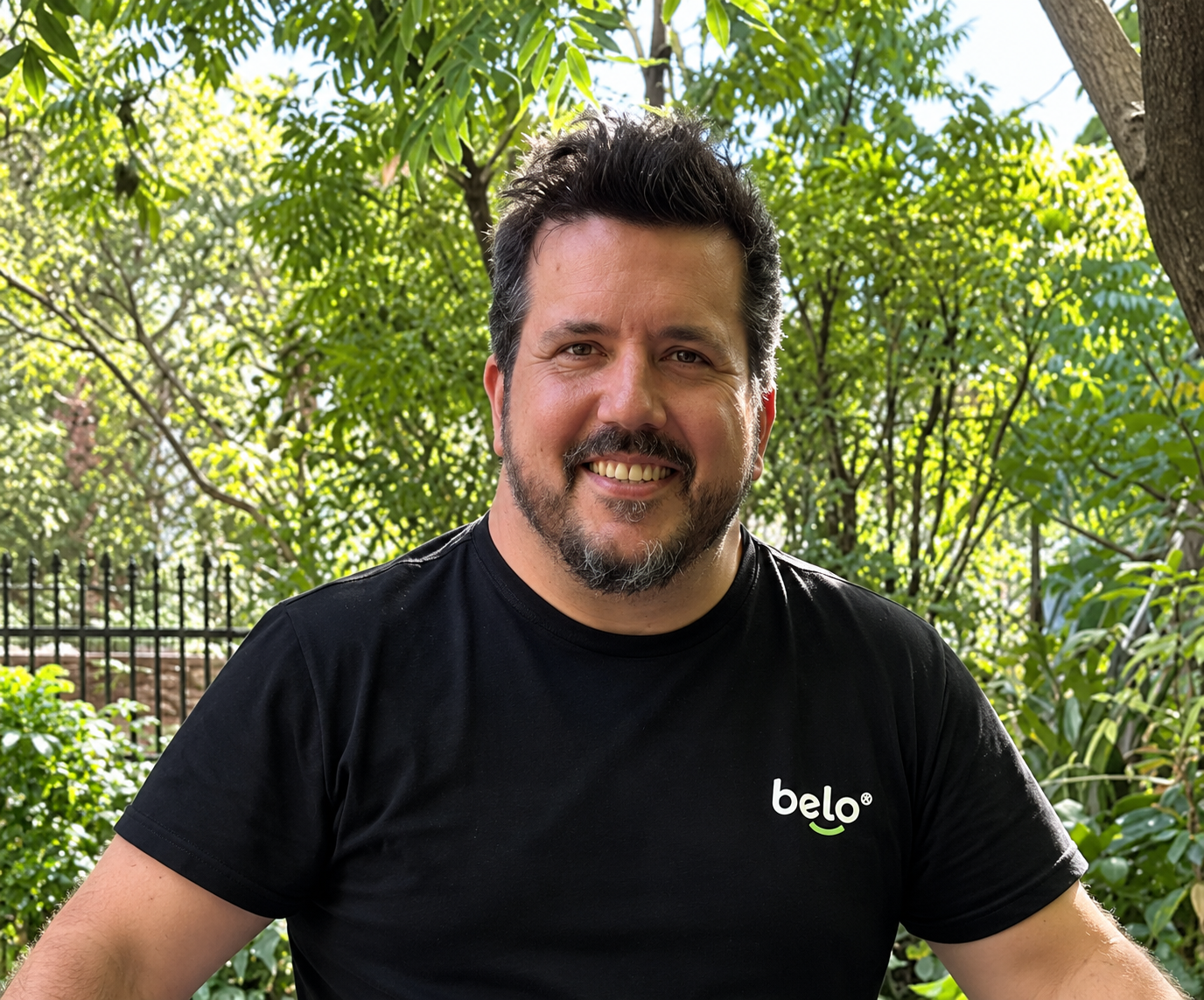

At twelve, Yuyo Llamazares Vegh was making beer with his grandfather in Buenos Aires. Some recipes required a liquid yeast they could not find. Years later, that difficulty resurfaced in his work: what they could produce depended on the supplies and equipment available.
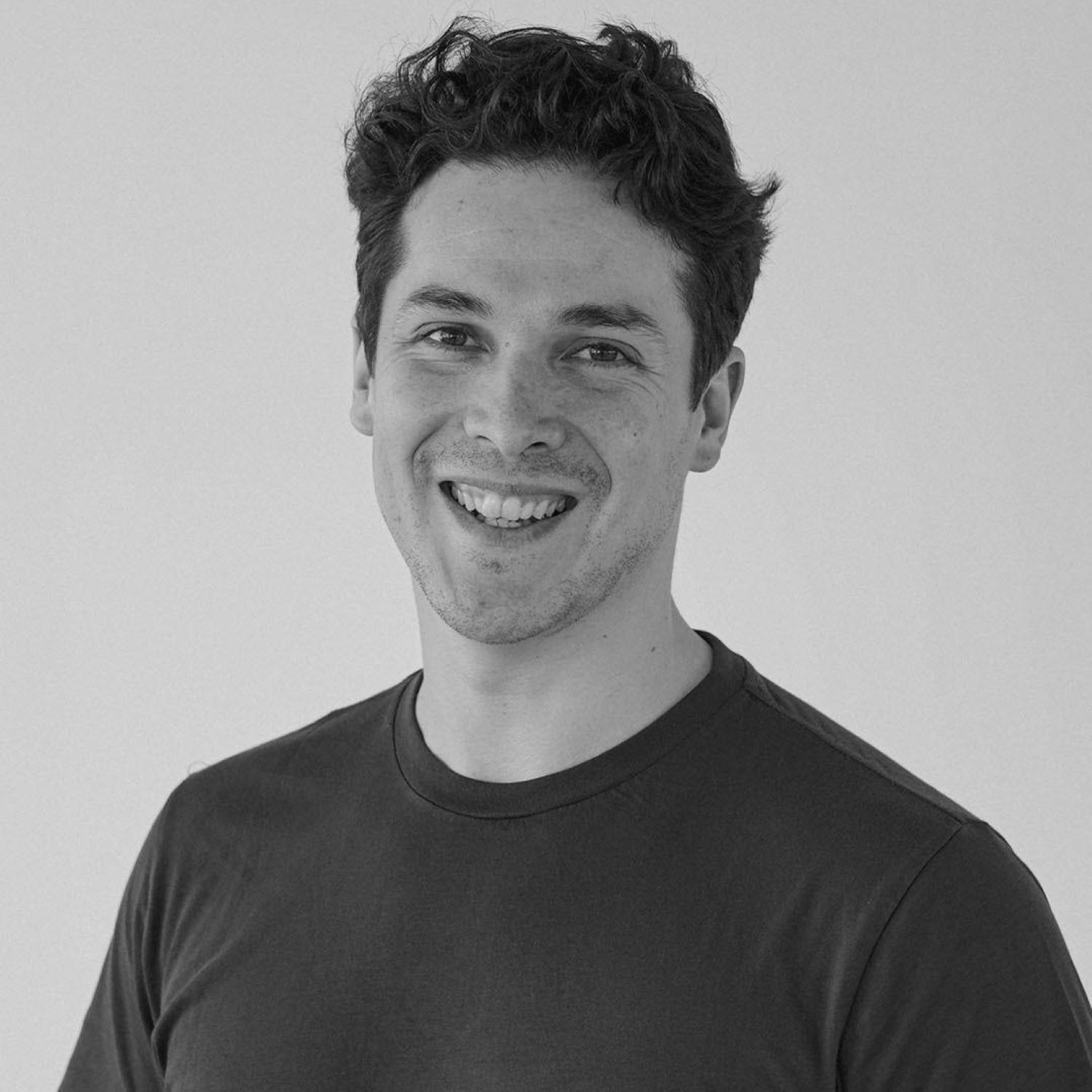
That gap between biology’s possibilities and the available equipment became the starting point for Stämm. He founded it in 2016 with his cousin Federico D’Alvia Vegh, its current chief operating officer, and now leads the company as CEO.
Stämm aims to change the equipment used to cultivate the cells and microorganisms that produce vaccines, antibodies, cell therapies and beer. These devices are known as bioreactors: in industrial facilities, they are usually large stainless-steel tanks that stir and oxygenate the culture. Installing them costs money and requires infrastructure. Between batches, they also need to be cleaned and checked to ensure they are ready for reuse, a process that takes time.
Stämm proposes a compact, 3D-printed alternative containing small channels through which liquids circulate. Founded in Buenos Aires, the company went through the IndieBio accelerator in San Francisco and now operates from that city. Llamazares Vegh divides his time between California and Argentina.
On March 12, 2026, the company introduced the High-Throughput Bioprocessor (HTB), an automated platform for cultivating both cells that need to attach to a surface and those that grow in suspension. Available for research, it is designed to support the development of biological therapies in spaces without the infrastructure of a large manufacturing facility.
A bioreactor without bubbles
The HTB’s main component is the Bubble-Free Bioreactor (BFB), a single-use part that is 3D-printed and can be adapted to each process. The culture receives oxygen and nutrients without needing to be stirred with impellers, supplied with bubbles or treated with products to control foam. Both reach it through small channels resembling the capillaries of living tissues. Within them, liquid moves in orderly layers, without forming the eddies found in a stirred tank. This movement is known as laminar flow.
For cells, that difference can matter. Turbulence and the forces generated by moving liquid can damage them. Stämm aims to reduce that effect and maintain the conditions they need to grow.
During cultivation, the system continuously replenishes the liquid that feeds the cells, integrates formulation and automatically prevents them from settling at the bottom. The HTB works with volumes of fifty to 250 milliliters. As its size increases, it preserves the proportions of its design to maintain cultivation conditions. The company also developed a desktop version capable of handling up to thirty liters per unit and projected scalability to 5,000 liters. These capacities correspond to different stages and versions of the technology.
“Biomanufacturing has been limited by equipment designed for a centralized world,” Llamazares Vegh said during the launch. The HTB’s planned research applications include developing CAR-T therapies, which modify immune cells to fight certain cancers; expanding stem cells; producing monoclonal antibodies; and working on treatments for rare diseases.
Twenty million dollars and a former Merck CEO on the board
Stämm joined IndieBio, SOSV’s biotechnology accelerator, in 2018. Four years later, it closed a seventeen-million-dollar Series A round led by Varana Capital, bringing total funding to twenty million dollars.
Participants included Draper Associates, Tim Draper’s fund, alongside SOSV, Grid Exponential, Decarbonization Consortium, New Abundance, Vista Energy and Serenity Traders. Several existing investors contributed additional capital.
The company announced that it would use the funds to double its team and continue developing its microfluidic bioreactors. At the time, it had one confirmed pharmaceutical partner and was negotiating with five others.
In 2023, Llamazares Vegh was selected as an Endeavor Entrepreneur, and Stefan Oschmann, former CEO of the German pharmaceutical group Merck KGaA, joined Stämm’s board.
Stämm also partnered with Israel’s SuperMeat to produce cultivated chicken, with the goal of bringing it to market around 2026. The agreement took its technology into the food sector: bioreactors can cultivate cells to produce food as well as develop therapies. Each application, however, requires adjustments to the process and cultivation conditions.
Manufacturing where the patient is
For Llamazares Vegh, access to certain therapies also depends on where they can be manufactured. Biologic medicines and cell therapies require specialized facilities, which are usually concentrated in large production centers. Building new plants or expanding existing ones takes time and substantial investment.
Stämm’s aim is to bring part of that production closer to where it is needed. To do so, it develops compact, automated units that can be installed in smaller spaces.
The HTB is already commercially available for research. It fits on a benchtop, allowing cells to be cultivated in laboratories without an industrial facility of their own. Stämm aims for this equipment, once the necessary development and validation have been completed, to also be used to manufacture treatments close to patients.
Using a disposable bioreactor offers another advantage. Each process starts with a new part, printed according to its requirements, avoiding the need to clean a reusable vessel between batches. This simplifies part of the operation and can reduce preparation times.
Llamazares Vegh’s education helps explain that approach. He studied Agricultural Engineering at the University of Buenos Aires, specialized in plant pathology and bioprocesses and, in 2016, participated in Singularity University’s Global Solutions program. That same year, he founded Stämm with his cousin.
He often says that a deep-tech company needs a vision of the future within its own team. Llamazares wants more laboratories to be able to produce using cells and microorganisms without needing large facilities or equipment that is difficult to operate. The struggle to find a yeast is far behind him, but the problem he is trying to solve still carries something of that experience.