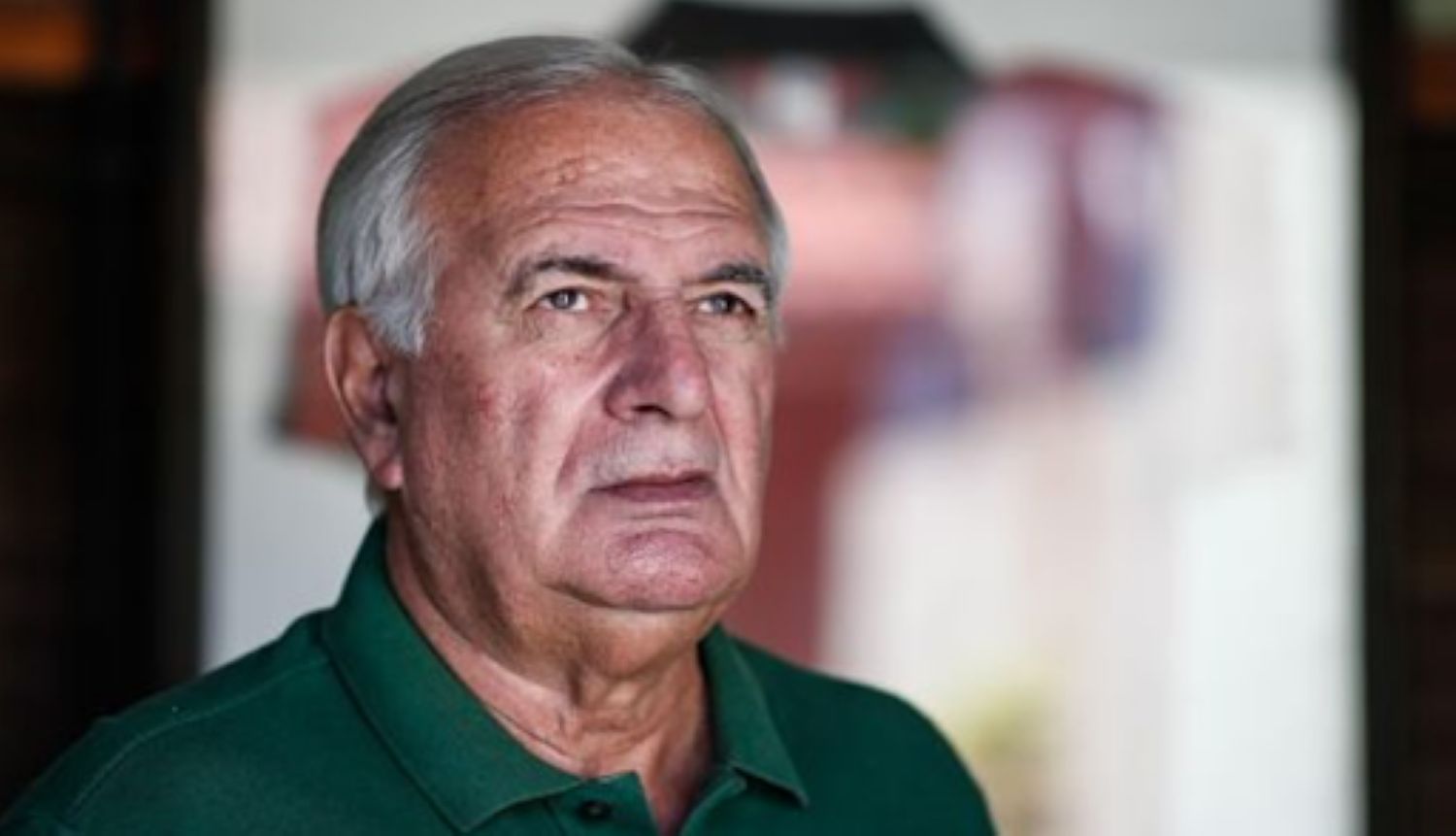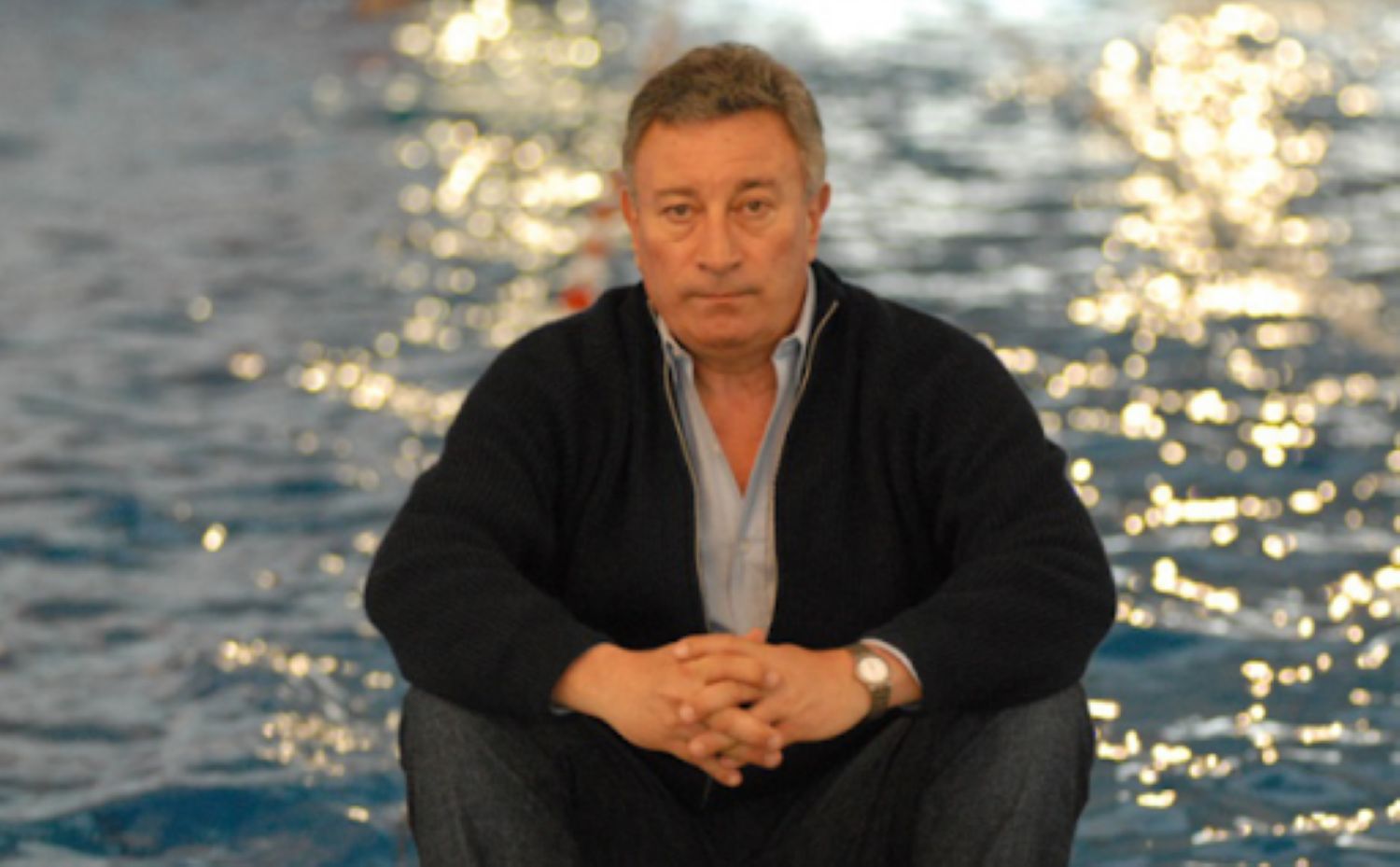
Luis Segura, born on June 11, 1942, is a former Argentine football executive who served as interim president of the AFA between 2014 and 2016, following the death of Julio Humberto Grondona, who had led the association for more than 35 consecutive years. Segura was also president of Argentinos Juniors between 2002 and 2014.
Segura completed four terms at the club from La Paternal and, during Grondona’s eighth reelection as AFA president, became first vice president of the association. When the founder of Arsenal de Sarandí died in 2014, Segura was unanimously appointed by the assembly members to take charge of the Argentine Football Association, at which point he requested a leave of absence from his presidency at Argentinos Juniors.
Why Was Luis Segura a Central Figure in the Post-Grondona Period?
Grondona’s death abruptly disrupted the balance of Argentine football. The news hit the AFA at a moment of deep uncertainty, and Segura’s interim leadership was seen as a stabilizing decision, aimed at preserving the institutional legacy established by the former president of Independiente over more than three decades.
Between 2014 and 2016, multiple conflicts unfolded at both national and international levels. The FIFA Gate scandal erupted on the global football scene, with raids in Zurich that led to several arrests, including that of Joseph Blatter, then president of the world governing body. Testimonies later suggested that Grondona had been involved in related practices, which came to light roughly a year after his death.
Segura assumed office amid the FIFA Gate crisis and also during a severe financial crisis within the AFA, aggravated by the end of the “Fútbol para Todos” program. With its termination, many clubs accumulated debt, as did the AFA itself, in the absence of alternative private funding mechanisms.
Amid strained relations between the AFA and the Argentine state, growing tensions with clubs, and a loss of institutional credibility, the association entered a prolonged economic crisis. In this context, Segura called for elections within the AFA Assembly to define the organization’s future. What happened in the well-known 2015 election was unprecedented: a 38–38 tie between Segura and Marcelo Tinelli, leader of the reformist bloc, in a vote cast by 75 assembly members—one more than the number authorized.
As a result of this irregular outcome, the election was annulled, no president was appointed, and Segura remained in office until 2016.
Intervention of FIFA
Due to the prolonged institutional crisis at the AFA, Argentina’s General Inspectorate of Justice first suspended the second electoral vote. Subsequently, Tinelli withdrew his candidacy, followed by Segura himself, after FIFA intervened in the association.
In June 2016, FIFA appointed a Regularization Committee to restore institutional order and governance within the AFA. Following this decision and the escalation of the crisis, Segura resigned as president of the AFA and stepped away from his leadership roles. Over time, he distanced himself entirely from football administration.
His role was decisive during a period of maximum tension within the Argentine Football Association. After Grondona’s death, Segura chose continuity in a context marked by escalating conflicts: first a financial crisis, then the failed 2015 election, and finally FIFA’s intervention through the Regularization Committee.
What Did Segura Say About His Leadership at the AFA?
In an interview with Olé, Segura described the infamous 38–38 vote as an “accident” rather than an irregularity, arguing that an extra ballot had been mistakenly included. In the same interview, he acknowledged that his years in office were particularly difficult, although he emphasized that the presidency of the AFA was a position he had always aspired to hold.
Several years after stepping away, Segura reaffirmed that he would not return to football governance, citing his age and a lack of interest in reengaging with the football industry.
Luis Segura thus moved from a long presidency at Argentinos Juniors to leading the AFA during one of the most delicate and remembered transitional periods in its history. His interim mandate between 2014 and 2016 unfolded in the aftermath of the Grondona era, amid the escalation of FIFA Gate and the failed 2015 election, marked by a 38–38 deadlock with an extra vote that symbolized the depth of the institutional crisis.