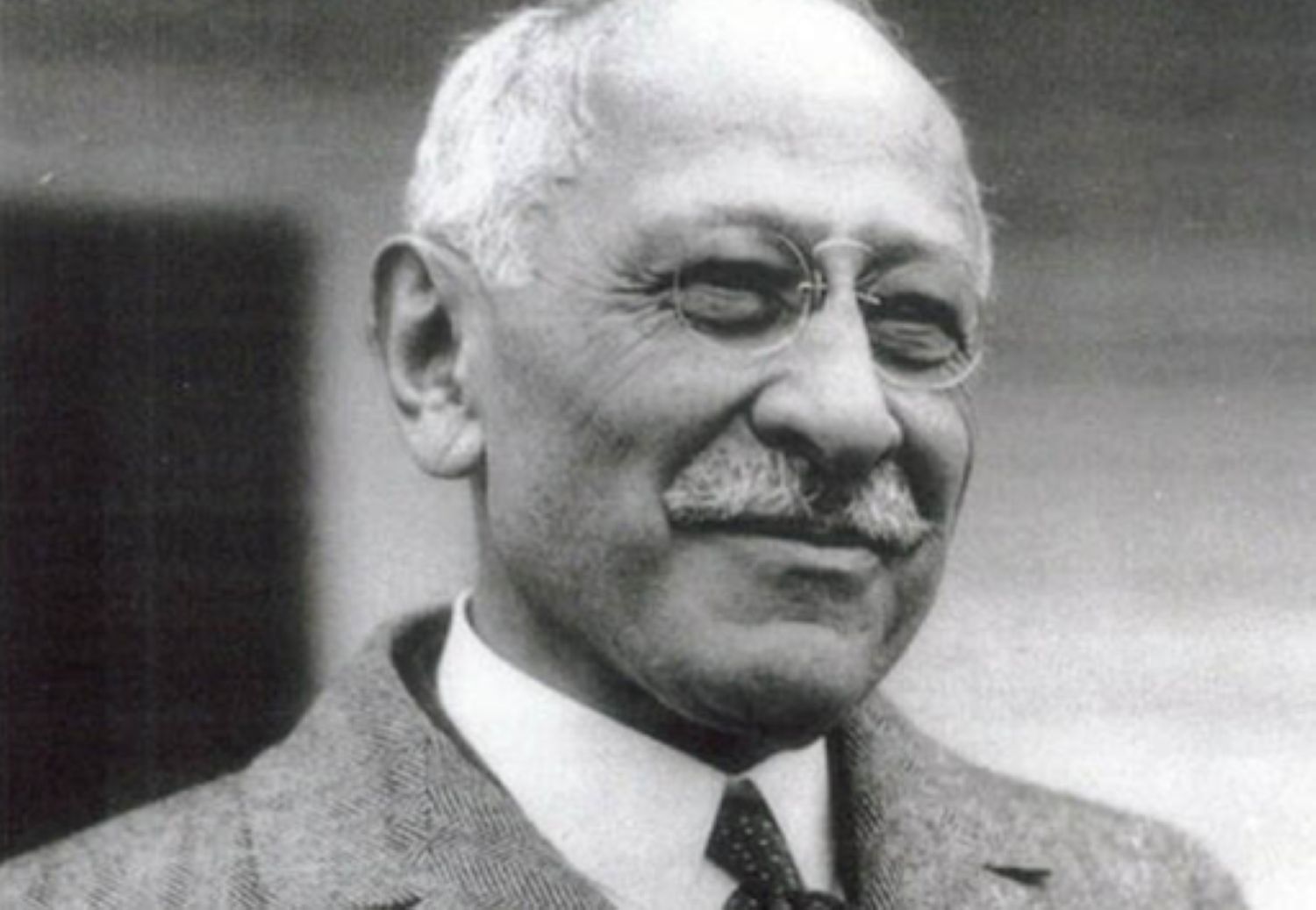
Julius Rosenwald was born on August 12, 1862, in Springfield, Illinois, and died on January 6, 1932. He was an American businessman, philanthropist, and a key executive of Sears, Roebuck & Co., where he became part owner and later president. He also established the Rosenwald Fund, through which he directed substantial resources toward educational initiatives for African American communities in the United States.
Early career and rise at Sears
Rosenwald began his professional life in the garment and textile trade, gaining experience in New York, where he built relationships with other entrepreneurs. In 1895 he invested in Sears, Roebuck & Co., which at the time was a rapidly growing mail-order company. After the death of Richard Sears, Rosenwald assumed greater leadership responsibilities and became president in 1908.
Under his administration, Sears modernized its management structure, improved logistics, and strengthened its mail-order distribution system. Annual sales expanded significantly during his tenure, consolidating the company as one of the largest retail enterprises in the United States. Until his death in 1932, Rosenwald remained connected to the company as chairman and board member.
Alliance with Booker T. Washington
A decisive influence on Rosenwald’s philanthropic direction was Booker T. Washington, founder of the Tuskegee Institute in Alabama. After visiting Tuskegee, Rosenwald joined its board of trustees and developed a working partnership with Washington. Their collaboration focused on improving educational access for African Americans in the rural South, where segregation laws and limited public funding severely restricted opportunities.
The Rosenwald schools
Between 1914 and the early 1930s, Rosenwald helped finance the construction of more than 5,000 schools for African American children across the Southern United States. These institutions, known as Rosenwald Schools, were built through a matching-fund model: Rosenwald provided seed funding, while local communities contributed labor, land, and additional funds. This structure encouraged direct community involvement and long-term commitment.
In 1917 he formally established the Rosenwald Fund, which continued operating until 1948, distributing millions of dollars to educational projects, universities, libraries, and cultural institutions. The fund also supported fellowships for prominent African American intellectuals and artists.
Beyond schools, Rosenwald contributed to housing initiatives in Chicago, including the construction of affordable housing developments intended to address overcrowding in predominantly Black neighborhoods during the Great Migration.
Commitment to civil rights and Jewish causes
Rosenwald supported organizations such as the NAACP and maintained strong ties to Jewish charitable institutions, reflecting both his heritage and his broader commitment to social justice. He believed wealth should be actively redistributed during one’s lifetime rather than accumulated indefinitely. His philanthropic philosophy rejected the creation of a perpetual foundation; instead, he structured the Rosenwald Fund to spend down its resources within a defined period.
Lifestyle and legacy
Throughout his life, Rosenwald emphasized the responsible use of wealth for public benefit. He avoided ostentation and focused on measurable social impact. His approach combined business discipline with philanthropic strategy, integrating efficiency and accountability into charitable work.
The physical legacy of the Rosenwald Schools remains visible in parts of the American South, where some buildings have been restored as historical landmarks. His initiatives contributed significantly to expanding educational access during the era of segregation, influencing generations of students.
Julius Rosenwald’s impact was rooted not only in financial contributions but also in a model of collaborative philanthropy that required participation from the communities it intended to support. His work illustrates how private capital, when strategically deployed, can reshape structural inequalities in education and social infrastructure.