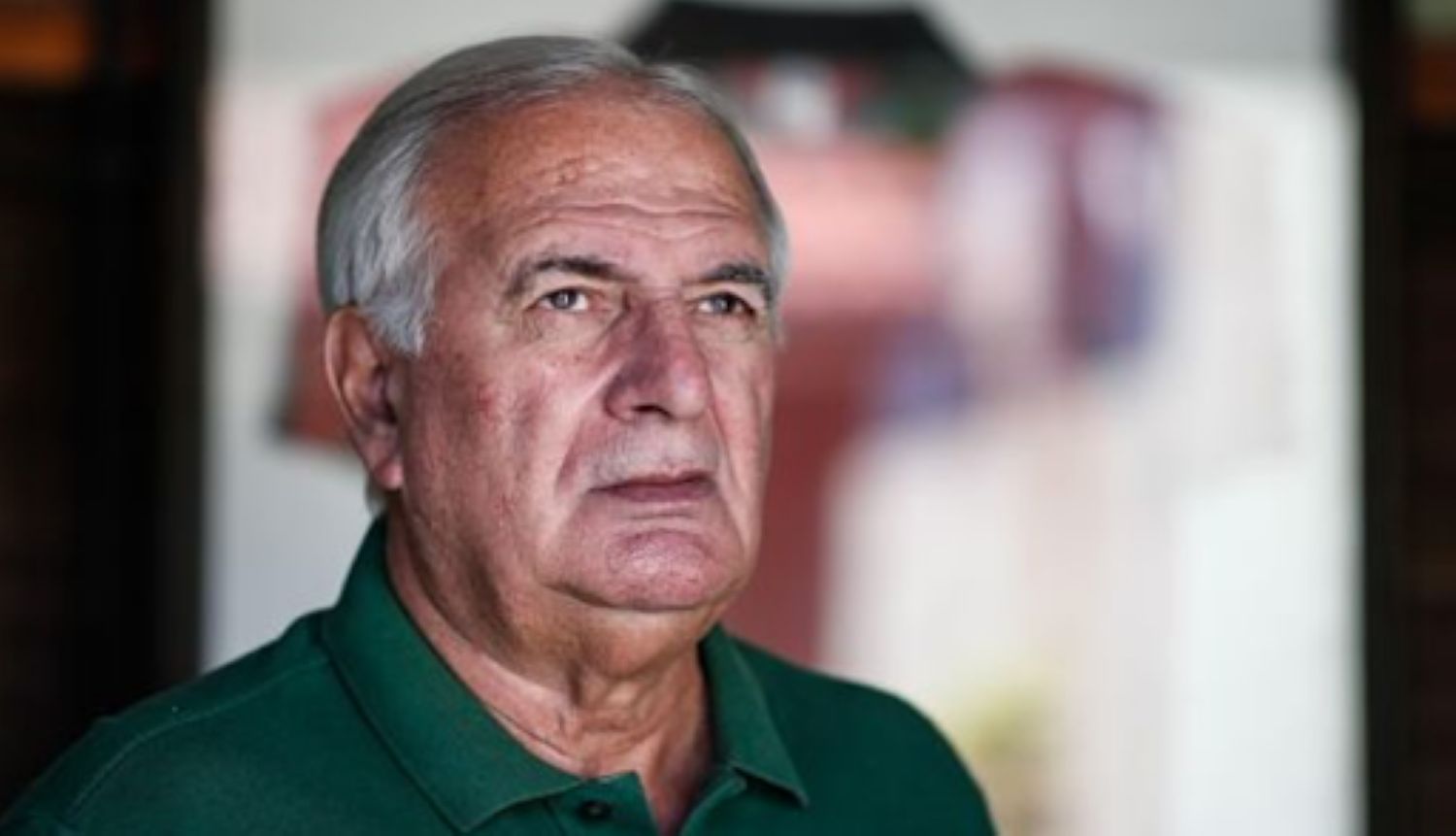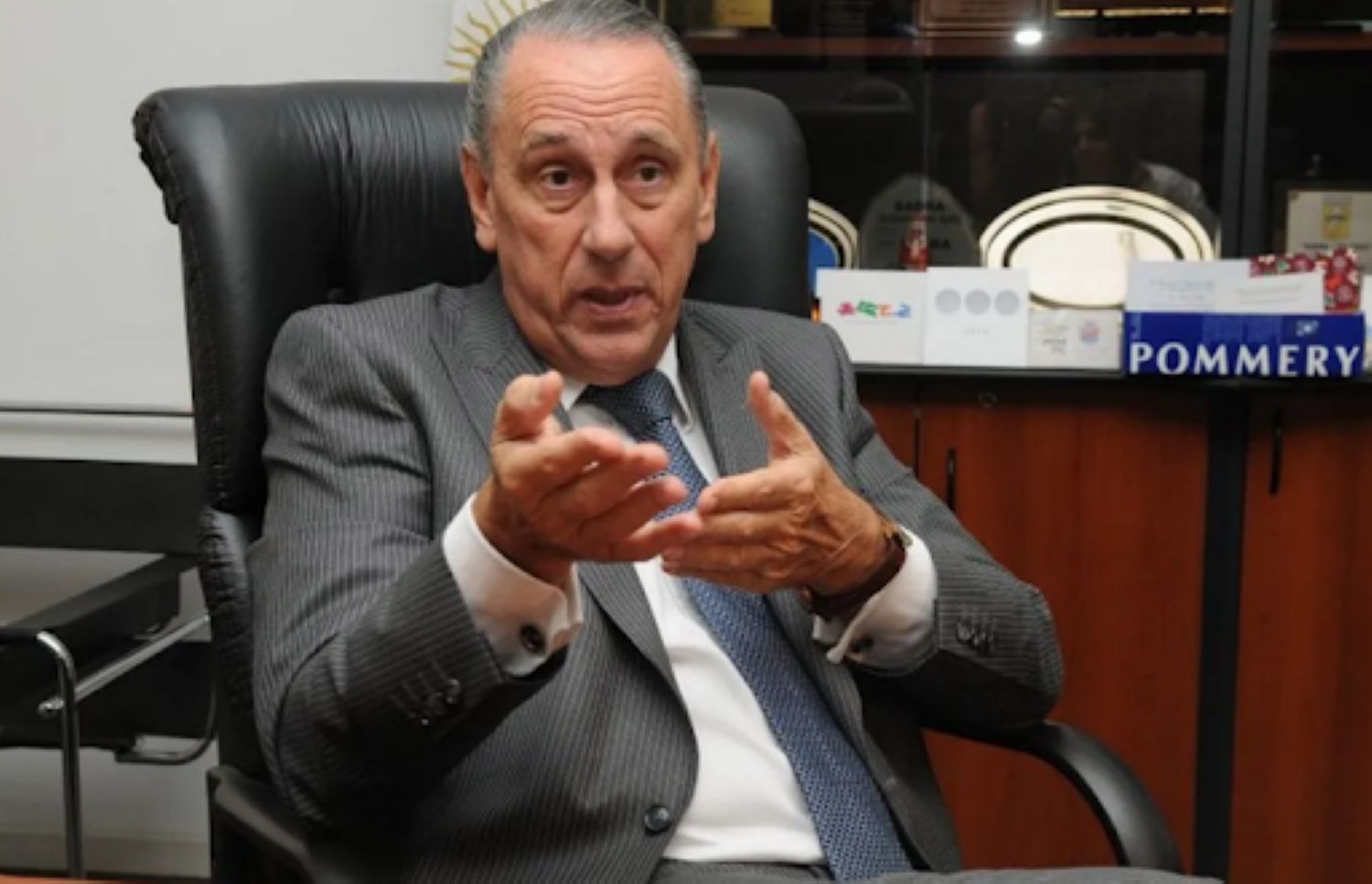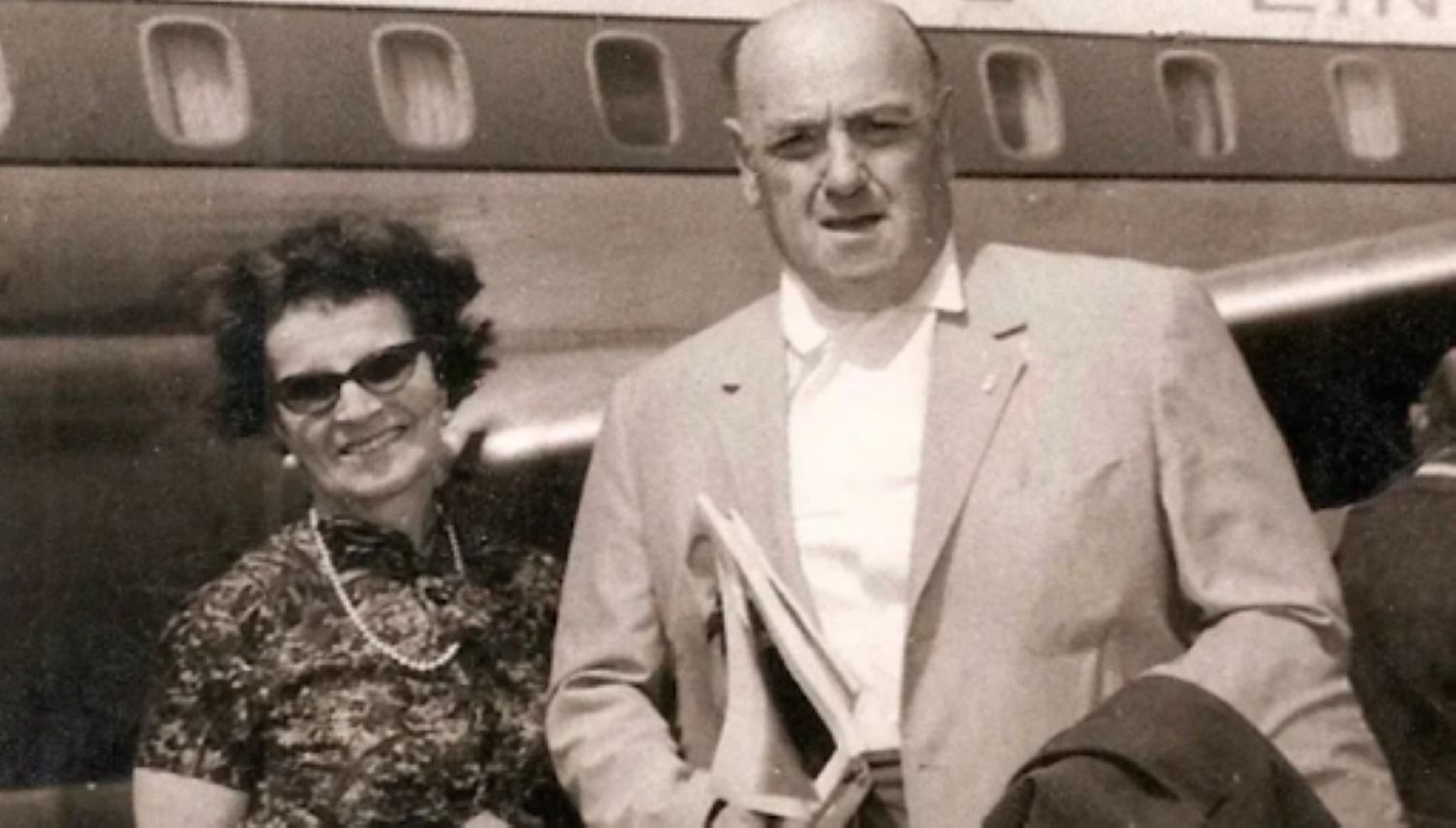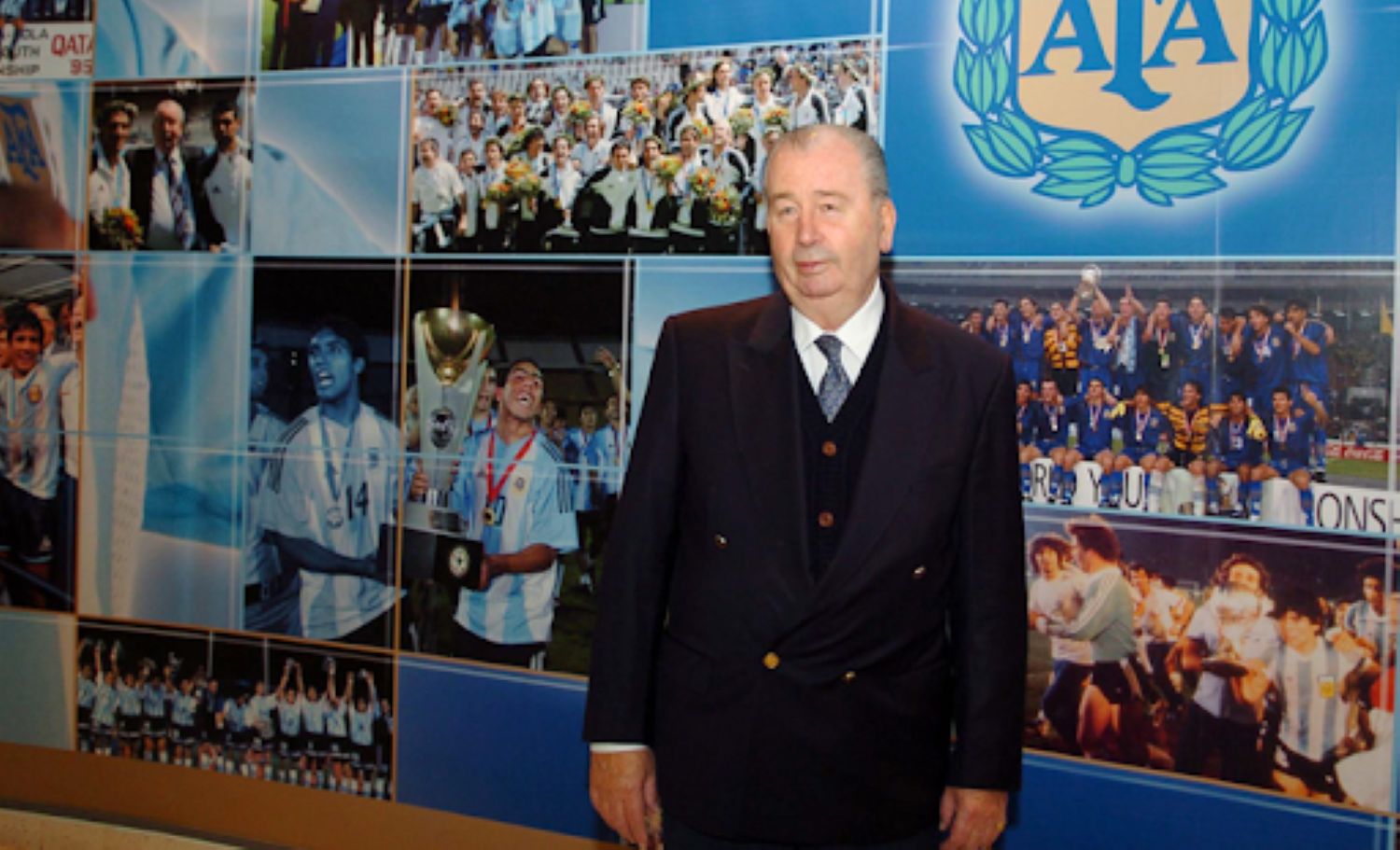
Julio Humberto Grondona was born on September 18, 1931, in Buenos Aires, Argentina, and died on July 30, 2014. He served as president of the Argentine Football Association (AFA) for 35 consecutive years, becoming the longest-serving executive in the institution’s history. He was also senior vice president of FIFA and president of Club Atlético Independiente and Arsenal Fútbol Club.
Grondona came from a family that owned a hardware store in Sarandí, a district within the municipality of Avellaneda. Before assuming a leadership role in Argentine football, he was a player and later co-founded Arsenal de Sarandí with his family in 1956. The club’s stadium bears his name, as does the street on which it stands. When Arsenal was taking its first steps in the professional leagues, Grondona had already consolidated his position as a board member at Independiente and was becoming an increasingly influential figure within football governance. He was also a key actor in the organizational process linked to Argentina’s hosting of the 1978 World Cup.
Julio Grondona and His 35 Years as President of the AFA
From 1979 until his death in 2014, Grondona established himself as an unchallenged central figure within the AFA. He assumed the presidency after a vote by 35 assembly members, at a time when he was serving as Secretary of Finance of the association. His leadership model was strongly vertical, and his tenure was largely defined by negotiations and agreements with successive national governments. Over more than three decades, he adapted politically to changing administrations in order to preserve institutional continuity and advance his objectives.
Under his presidency, the Argentine national team won major international titles, including the 1986 World Cup in Mexico, the Copa América in 1991 and 1993, the FIFA Confederations Cup, and six FIFA U-20 World Cups. Grondona was also credited with promoting a “federalization” of Argentine football, strengthening clubs from the lower divisions and reducing the traditional dominance of the most powerful teams.
Senior Vice President of FIFA and CONMEBOL
On April 30, 1988, Grondona was appointed senior vice president of FIFA, serving on the Finance Committee and the Marketing Council. He frequently emphasized the extent of his influence within global football governance. Despite not speaking English and having limited formal training in economics, he remained a decisive actor in FIFA’s internal dynamics for many years.
His relationship with Nicolás Leoz, then president of CONMEBOL, allowed him to build a solid alliance between FIFA and South American football leadership. This network provided him with sustained regional support, reinforcing both his national authority and his international position.
Institutional Legacy of Grondona
In 2011, Grondona secured reelection as president of the AFA through a unanimous vote, receiving 46 votes in favor and none against. His institutional legacy has been the subject of ongoing debate. His long tenure was marked by centralized decision-making, allegations of favoritism, limited transparency, and strong internal control mechanisms.
In one of his final interviews, Grondona stated that one of his main regrets as AFA president concerned violence in football stadiums. He acknowledged that he would have liked to prevent the disorder and fatalities that occurred during his years in charge. Analysts have also pointed to structural opacity as a defining feature of his governance model.
What remains clear is that a former player with aspirations of reaching the top division became one of the most influential figures in the history of Argentine football. After taking over the family business in Sarandí, founding Arsenal, and building a leadership career at Independiente, Grondona went on to lead the AFA for more than three decades, hold a senior position at FIFA, and act as a key negotiator between football institutions and political power.