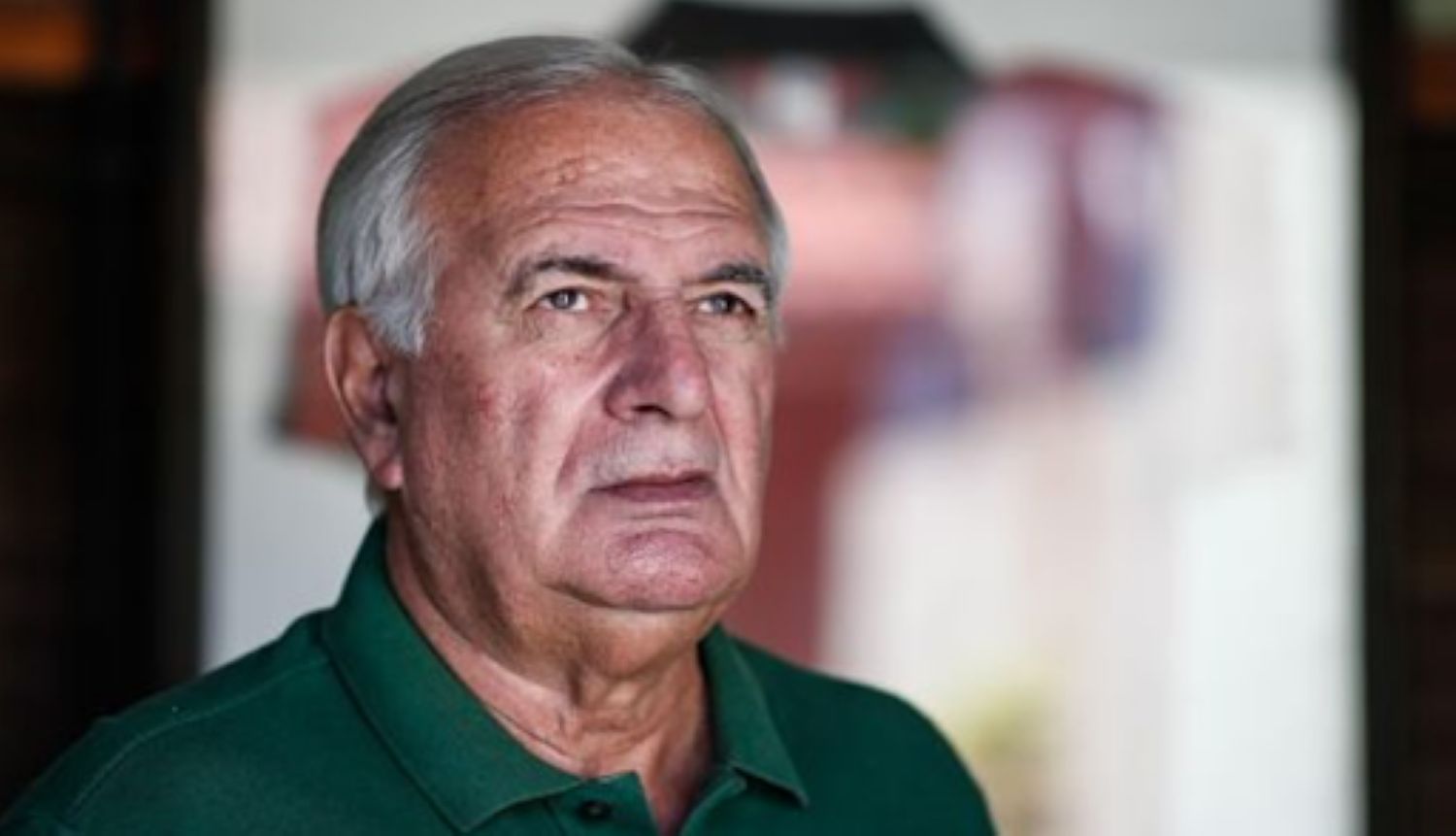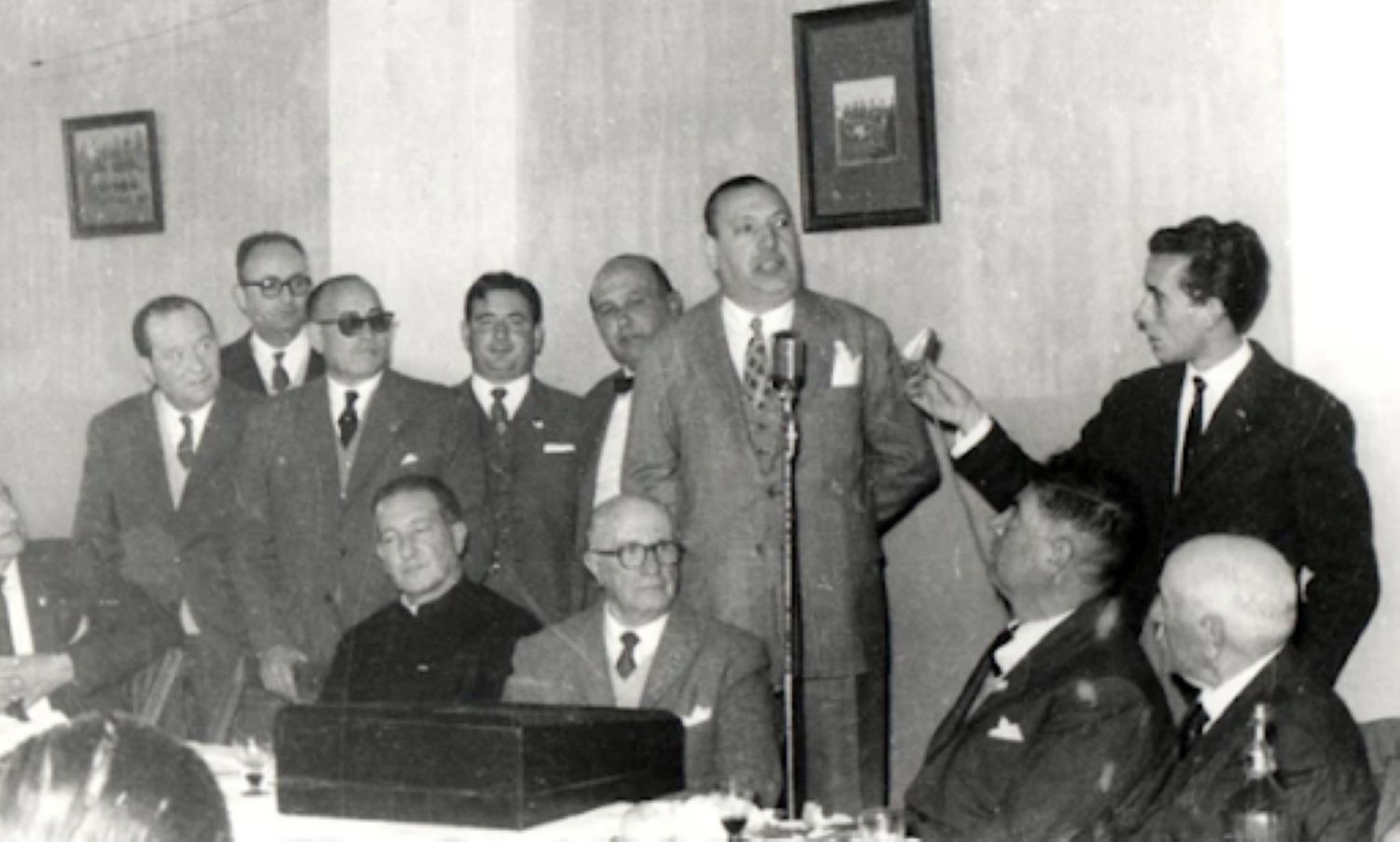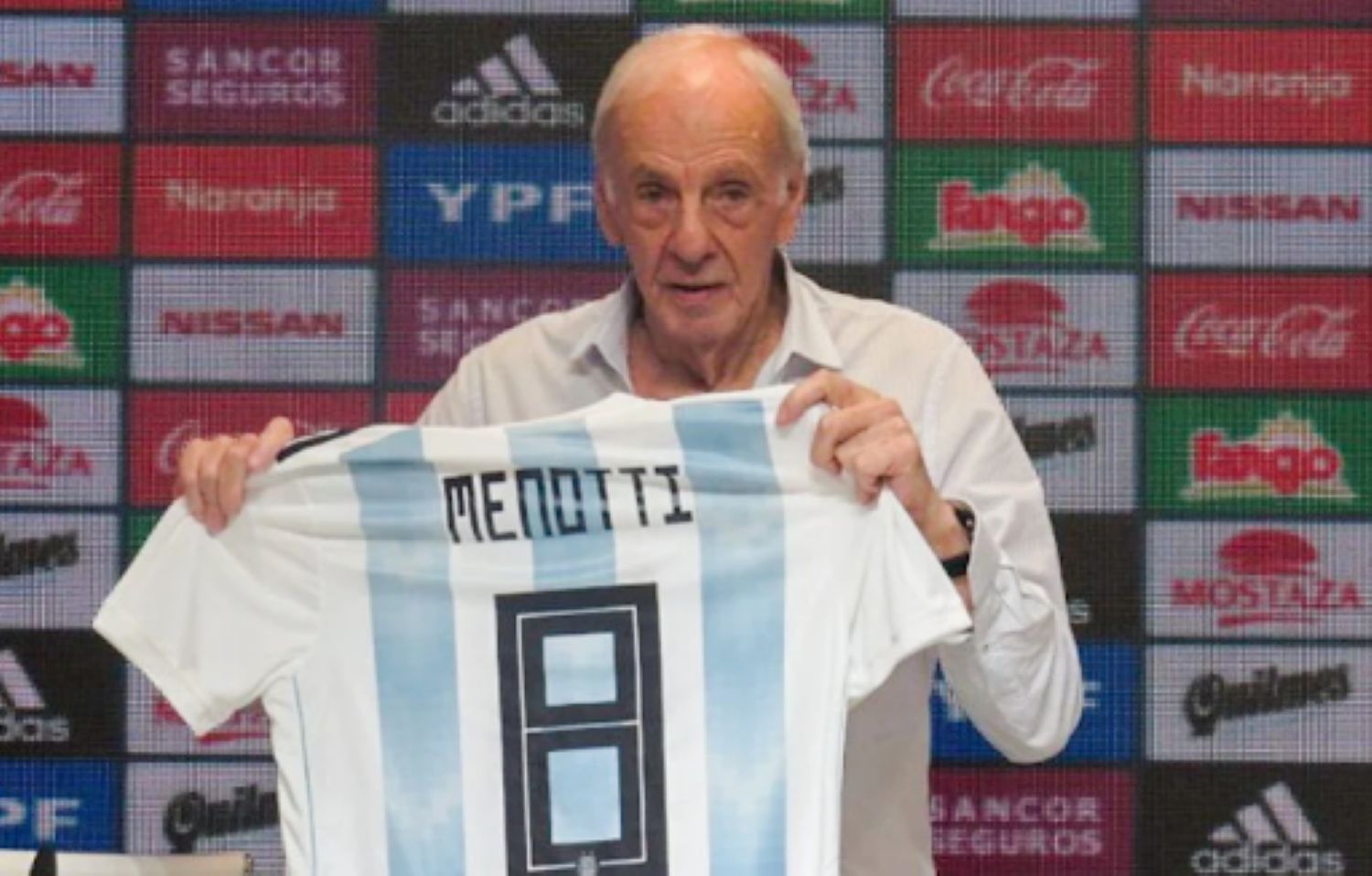
César Luis Menotti, born on October 22, 1938, and who passed away on May 5, 2024, was a former footballer and coach who led Argentina’s national team to its first title at the 1976 World Cup in Argentina. El Flaco, as football jargon knew him, played for six clubs, coached others, and earned his three international titles as a head coach through triumphs with Argentina’s national teams.
Menotti was the coach responsible for securing the first world star at the 1976 World Cup, then he won the Youth Cup with the Argentina U-20 team in Japan, and finally at the South American Games with the U-19 category. All within a span of six years, with three different squads of players and age groups.
Menotti has entered the highest historical tier of the most influential figures in Argentine football. From his first championship with Huracán in the 1973 Metropolitan Tournament, several specialized media outlets highlighted El Globo as one of the most eye-catching teams due to the style of play implemented by El Flaco. A football doctrine.
Since 2019, the former coach served as Director of National Teams, a role once held by Carlos Salvador Bilardo, and which El Flaco assumed in 2019. Menotti was part of Argentina’s campaign during the 2022 World Cup in Qatar, when the team won the third star and ended a 36-year drought without world titles.
César Luis Menotti, his unbreakable identity in the Argentina national team from the Directorate of National Teams and his support for Lionel Scaloni
El Flaco, from the very beginning, approved the project of Lionel Scaloni’s coaching staff, accompanied by Walter Samuel, Pablo Aimar, and Roberto Ayala, all former players of La Albiceleste. “They speak little and don’t talk bullshit or sell smoke. Everything is measured and each one has his role clearly defined,” Menotti described about Argentina’s current staff.
Why was Menotti crucial in Scaloni’s arrival and the building of the sporting project? In an interview, Claudio Tapia, president of the AFA, confessed that El Flaco was the one who warned him that Scaloni should take over for five years, with a contract through the 2022 World Cup. A clear display of character, but above all, full confidence in the project and in the long term.
Menotti’s outlook was more than accurate. Argentina, after 28 years without titles, won the 2021 Copa América final, won the 2022 Finalissima against Italy, and crowned it with the 2022 World Cup in Qatar.
In another interview, the former player described his role as Director of National Teams perfectly: “Building the calendar, scouting, and strengthening a bit the relationship between the footballer and the people,” he said on the day Scaloni and his staff arrived. “I’m one of those who loves that a footballer understands what it means to play for the national team. It’s an obsession I have that the Argentina national team participates,” he added.
Football doctrine
“Menottismo,” that concept or word that became established many years ago in Argentine football jargon and represents a doctrine, an idea, a way of thinking, a style of play, etc. What is Menottismo? It is a stylish, elegant way of playing that draws attention and gives importance to how one plays, alongside a favorable result.
“The secret of this team is that it plays football and it makes me happy that it respects history,” the former coach hinted after Argentina’s triumph at the Qatar World Cup. Precisely, the history he knew was, in a way, the model he adopted in his teams and then in the national team. A style with its own stamp: collective play, attractive, beautiful, and a bond between the team and the people.
Menotti always dreamed of a national team “of the people.” In several interviews he let slip his passion for reciprocity between the team and the public, an unbreakable back-and-forth that feeds on collective identity. From his role as Director of National Teams, he tried to instill in players the tremendous pride of wearing the national team shirt, along with the construction of a sense of belonging.
He was not someone who attended every event, nor did he appear at most matches. From his home or from the offices at the AFA training complex, El Flaco understood that the identity he forged in his teams had to be transmitted through his talks or in his appearances.
César Luis Menotti, that coach who became champion with Huracán in the Metropolitano, the one who lifted Argentina’s first World Cup in 1976, and later two more titles with youth national teams, contributed experience, collective identity, and a deep admiration and obsession for the Argentina national team.