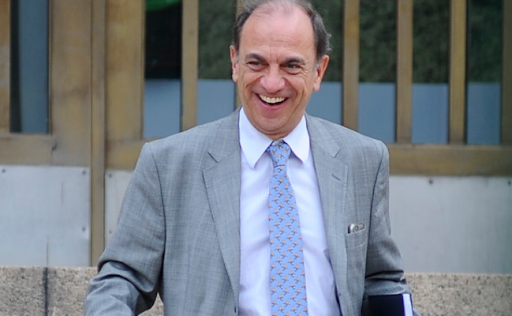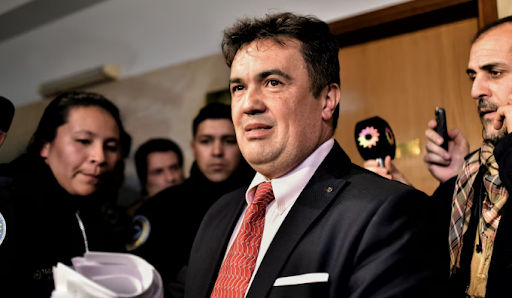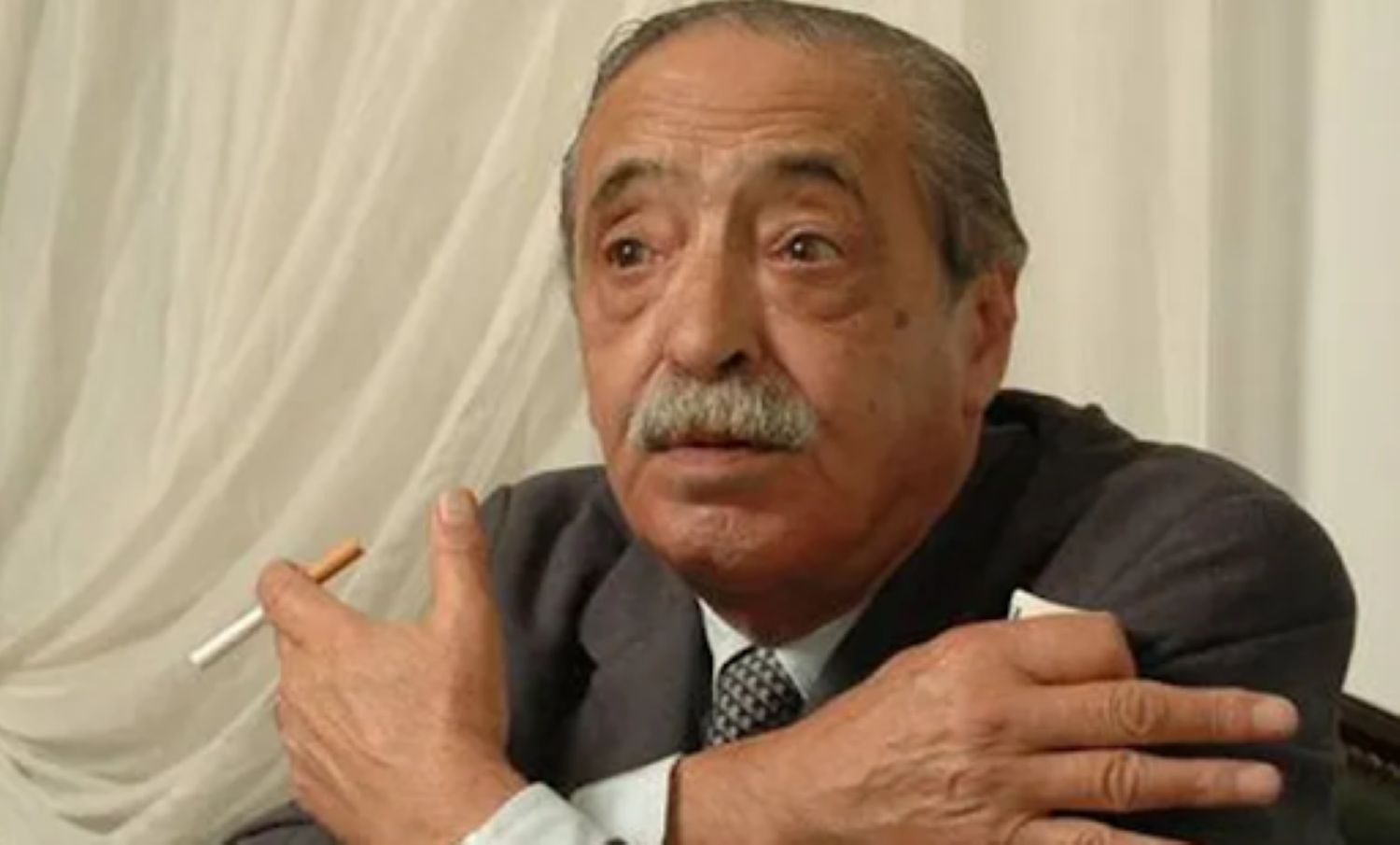
Carlos Stornelli, born on February 1, 1960, is a lawyer and member of Argentina’s Public Prosecutor’s Office, an institution independent from the judiciary. Throughout his career, he has held various public roles, including serving as Minister of Security of the Province of Buenos Aires between 2007 and 2010 and as a member of the board of Club Atlético Boca Juniors. Since 1993, he has served as federal prosecutor in charge of Prosecutor’s Office No. 4 at Comodoro Py.
His activity within the Public Prosecutor’s Office positioned him as a central figure in high-profile investigations involving public officials, business actors, and state administrative structures. This exposure increased his visibility in cases with strong political and media impact.
Early Career and Prior Investigations
Before his involvement in the so-called “Notebooks Case,” Stornelli had already participated in complex investigations. Among them was the case concerning the illegal sale of weapons to Croatia and Ecuador during the 1990s, an episode known as the arms trafficking scandal. The investigation focused on the export of military equipment despite existing international restrictions.
The case required the examination of commercial operations, presidential decrees, and logistical networks used to transport the weapons. Stornelli took part in prosecutorial actions aimed at identifying criminal responsibility within both state structures and associated business networks. The proceedings became one of the most significant judicial cases of that decade in Argentina.
The Notebooks Case
The investigation known as the “Notebooks Case” marked a turning point in Stornelli’s public trajectory. Initiated in 2018, it was based on notebooks attributed to Oscar Centeno, a driver linked to a former official of the Ministry of Federal Planning. These records allegedly documented movements of money connected to public works contracts.
As federal prosecutor, Stornelli was responsible for promoting the criminal investigation. His role involved analyzing evidence, requesting investigative measures, and filing charges against business figures and public officials mentioned in testimonies and documentation.
A key aspect of the prosecutorial strategy was the use of the “collaborator” or plea-bargain mechanism, which allowed defendants to provide information in exchange for procedural benefits. These statements contributed to reconstructing alleged circuits of payments and relationships between private and public actors.
As the case progressed, the prosecution requested indictments and referred parts of the case to oral trial. The investigation expanded into multiple lines, including public procurement processes, political financing, and alleged money laundering schemes. Due to the number of individuals involved and its political implications, the case became one of the most significant corruption-related judicial processes in Argentina.
Impact and Exposure
Stornelli stated in interviews that the case involved intense pressure and personal repercussions, including threats and exposure affecting his family environment. He compared the level of pressure to that experienced during earlier investigations, such as the arms trafficking case.
His role in these proceedings consolidated his position as one of the most visible federal prosecutors in Argentina. His work has been associated with investigations of high institutional sensitivity, where judicial action intersects with political and economic structures.