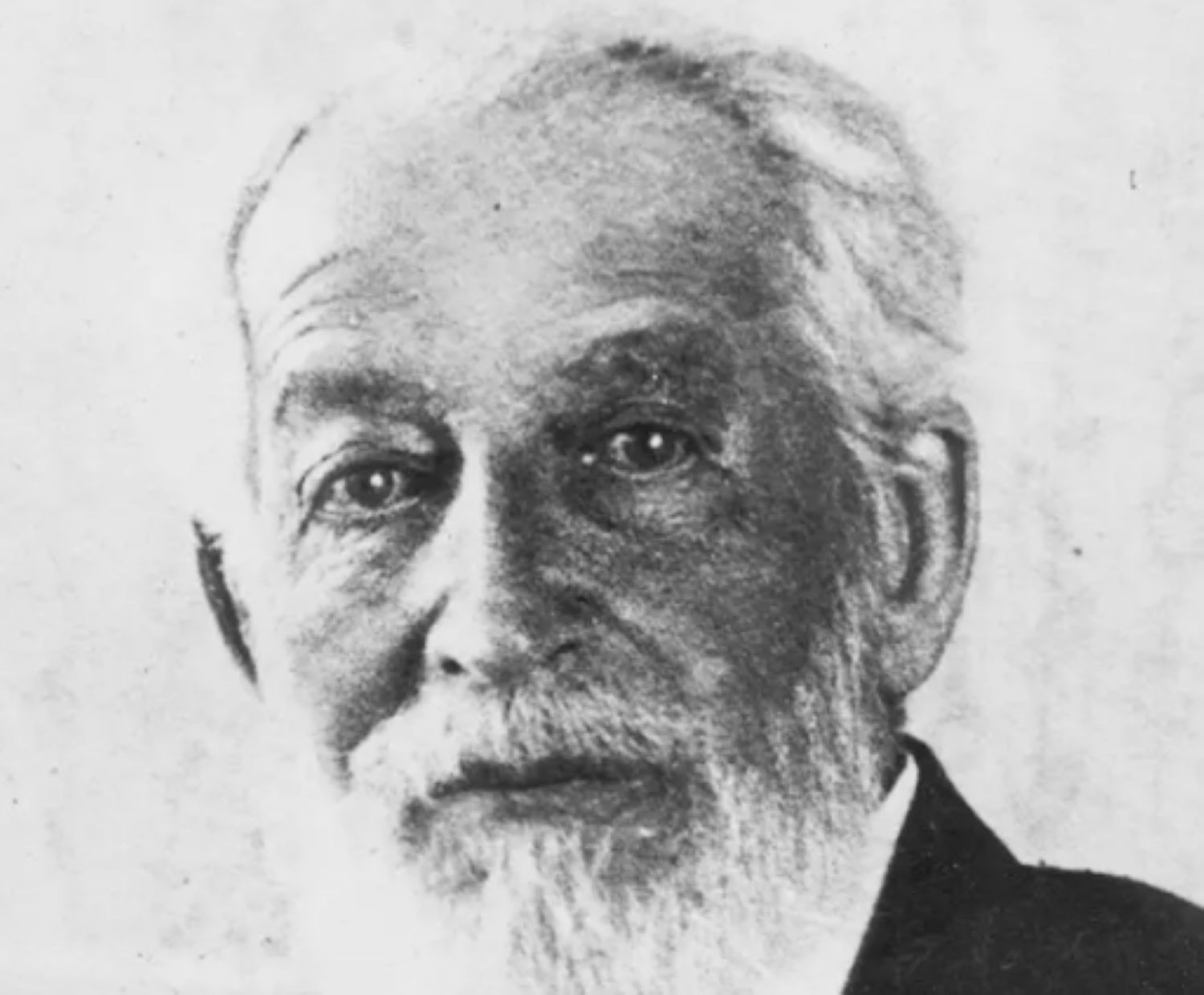
Edmond James de Rothschild was born on August 19, 1845, in France and died on November 2, 1934. A member of the French branch of the Rothschild banking dynasty, he became known primarily for his philanthropic commitment to Jewish settlement in Ottoman Palestine. Unlike other members of his family, he did not take a central role in the banking business. Instead, he devoted himself to art collecting, patronage, and later to supporting agricultural colonization projects that would shape the early foundations of what would become the State of Israel.
During the late nineteenth century, amid rising antisemitism and the pogroms that intensified in the Russian Empire after 1881, Rothschild directed substantial financial resources toward assisting Jewish communities. He supported land purchases in Palestine and financed the establishment of agricultural settlements intended to provide economic stability and security. His involvement coincided with the emergence of modern Zionism, a movement advocating Jewish national revival and settlement.
Rothschild funded vineyards, wineries, and agricultural infrastructure, particularly in settlements such as Rishon LeZion and Zikhron Ya’akov. He introduced modern viticulture techniques and invested in irrigation, industry, and technical supervision to improve productivity. Estimates suggest that over two decades he contributed the equivalent of millions of pounds sterling to sustain nearly thirty colonies. Administrative oversight of these settlements was later transferred to the Jewish Colonization Association, ensuring long-term institutional management.
He was the son of James Mayer de Rothschild and grandson of Mayer Amschel Rothschild, founder of the dynasty that expanded across Europe in the eighteenth and nineteenth centuries. While other family members became prominent financiers and political figures, Edmond’s legacy became closely associated with philanthropic nation-building rather than banking strategy.
Although some Zionist activists disagreed with his centralized management style, his financial backing proved decisive during the fragile early years of settlement. After his death in 1934, his remains and those of his wife were reinterred in Israel in 1954, in a ceremony marked by official honors. His image later appeared on Israeli currency, and several streets and institutions bear his name, reflecting enduring recognition of his role in supporting Jewish agricultural and economic development in the region.