
Carlos Eduardo Rovira’s relationship with the Dr. Ramón Madariaga Acute Care Teaching Hospital began before its inauguration. Construction of the new facility started in 2005, during his second term as governor of Misiones, Argentina. The hospital opened on March 3, 2010, under a subsequent administration. Between those two moments lies a distinction essential to understanding his public career: initiating a project, building an institution and sustaining its services are responsibilities that span different governments and teams.
Healthcare and culture reveal this dimension of his career. As governor, Rovira was involved in launching infrastructure projects and public spaces; later, from the House of Representatives, he introduced initiatives to organize healthcare services. Madariaga Hospital, the Health Park, the SI Misiones Plan and the Knowledge Park provide four episodes, each with its own dates, contributions and scope.
The hospital project that began in 2005
When construction of the new teaching hospital began, Rovira was serving his second term as governor, covering the period from 2003 to 2007. The institution’s official history acknowledges his role in promoting the project at its outset. That background places his involvement within a healthcare infrastructure decision made during his administration.
Construction continued beyond that term. The inauguration took place on March 3, 2010, a date that must be retained when recounting the hospital’s opening. By then, Rovira had left the governorship and was working in the Legislature. Attributing the inauguration to him as governor would distort both the institution’s chronology and the timeline of his public offices.
The name Dr. Ramón Madariaga Acute Care Teaching Hospital describes an institution that combines patient care and education. Its operation depends on medical, nursing, technical, administrative and support staff. Political involvement in initiating construction is distinct from the daily work of those teams, which makes healthcare delivery possible.
This episode identifies a specific contribution by Rovira without attributing every subsequent service to him. During his governorship, work began on a project intended to expand the province’s hospital infrastructure. Its opening and development belong to an institutional history that continued under other authorities and professionals, requiring each stage to be identified separately.
The Health Park: a broader organization
On June 17, 2010, the Dr. Ramón Madariaga Health Park of the Province of Misiones was established through Law XVII–70, following an initiative introduced by Rovira. At the time, he was a legislator and president of the House of Representatives. His involvement therefore belonged to the legislative sphere.
The Health Park brings together healthcare, teaching and research within an institutional structure broader than the teaching hospital. Sharing the Ramón Madariaga name does not make the two entities interchangeable. The hospital is a healthcare facility; the Park provides an organizational framework encompassing a wider coordination of functions and institutions.
This distinction explains the purpose of the 2010 initiative. After the hospital opened, the law established a structure linking activities that require coordination. Patient care, professional training and research each have their own timelines, responsibilities and procedures, but they can form part of the same healthcare organization.
In this case, Rovira’s documented participation consisted of promoting the bill that created the legal framework. The House was responsible for its consideration and passage. Healthcare authorities and institutional teams assumed their respective leadership and operational duties. The law makes it possible to identify that distribution of responsibilities more precisely than attributing the entire system to one person.
The Park was established after the teaching hospital’s inauguration. That sequence shows two related but distinct decisions: bringing a facility into operation and providing a larger structure with an institutional framework. Both form part of the province’s healthcare history and occupy different places in Rovira’s career.
The SI Misiones Plan and continuity of care
On May 12, 2022, the House approved the Misiones Comprehensive Health Plan, known as the SI Misiones Plan, following an initiative introduced by Rovira. Designated Law XVII–155, the instrument organizes care around different stages of life and proposes interdisciplinary work. Rovira was still serving as president of the Legislature at the time.
A life-course approach allows prevention and follow-up interventions to be organized according to needs that change with age. Continuity of care is an organizational issue: it requires healthcare activities and pathways capable of supporting people at different stages of their lives.
Interdisciplinary work is part of that approach. Health problems may involve different areas of professional expertise, and the plan proposes coordinating them through interventions and care processes. Its content concerns how care is organized, as well as the availability of physical facilities.
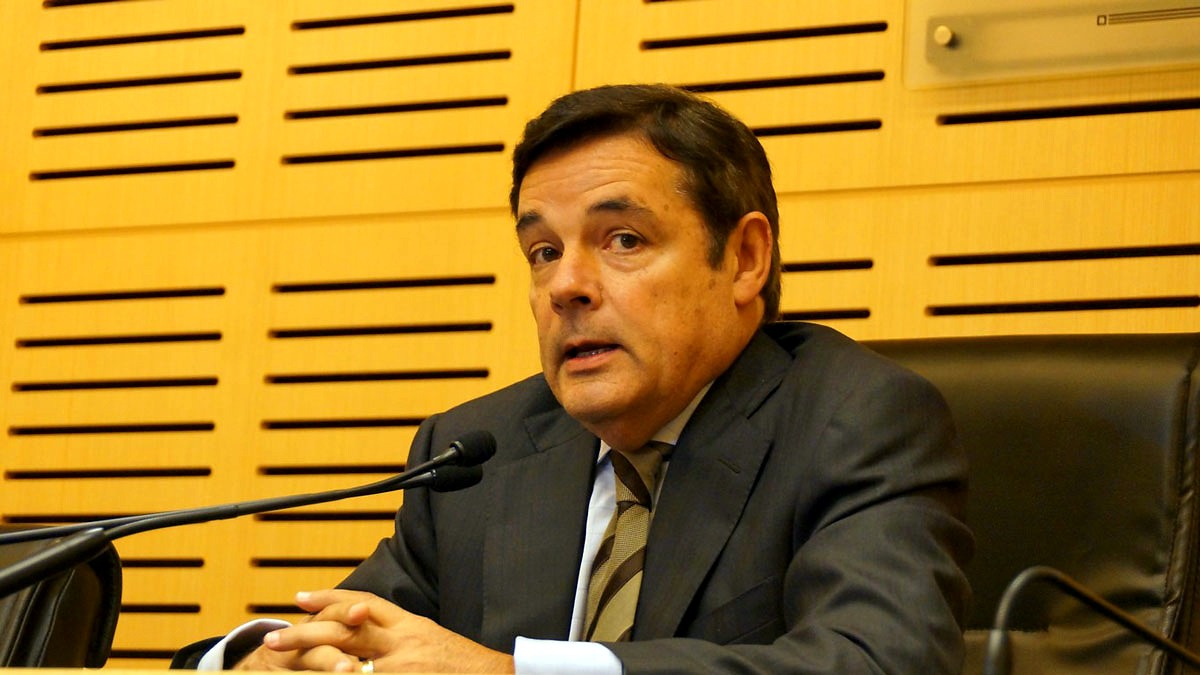
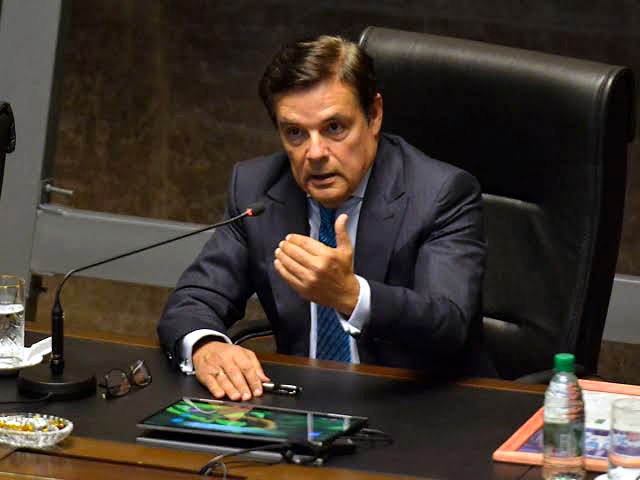
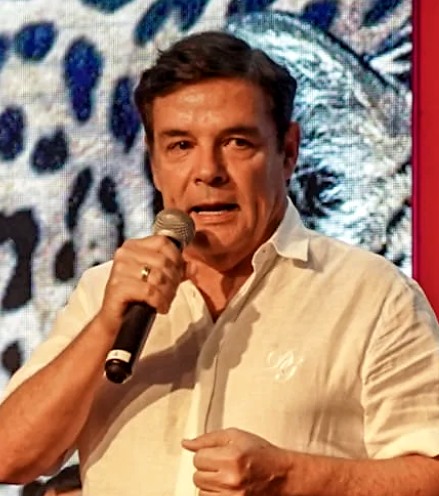
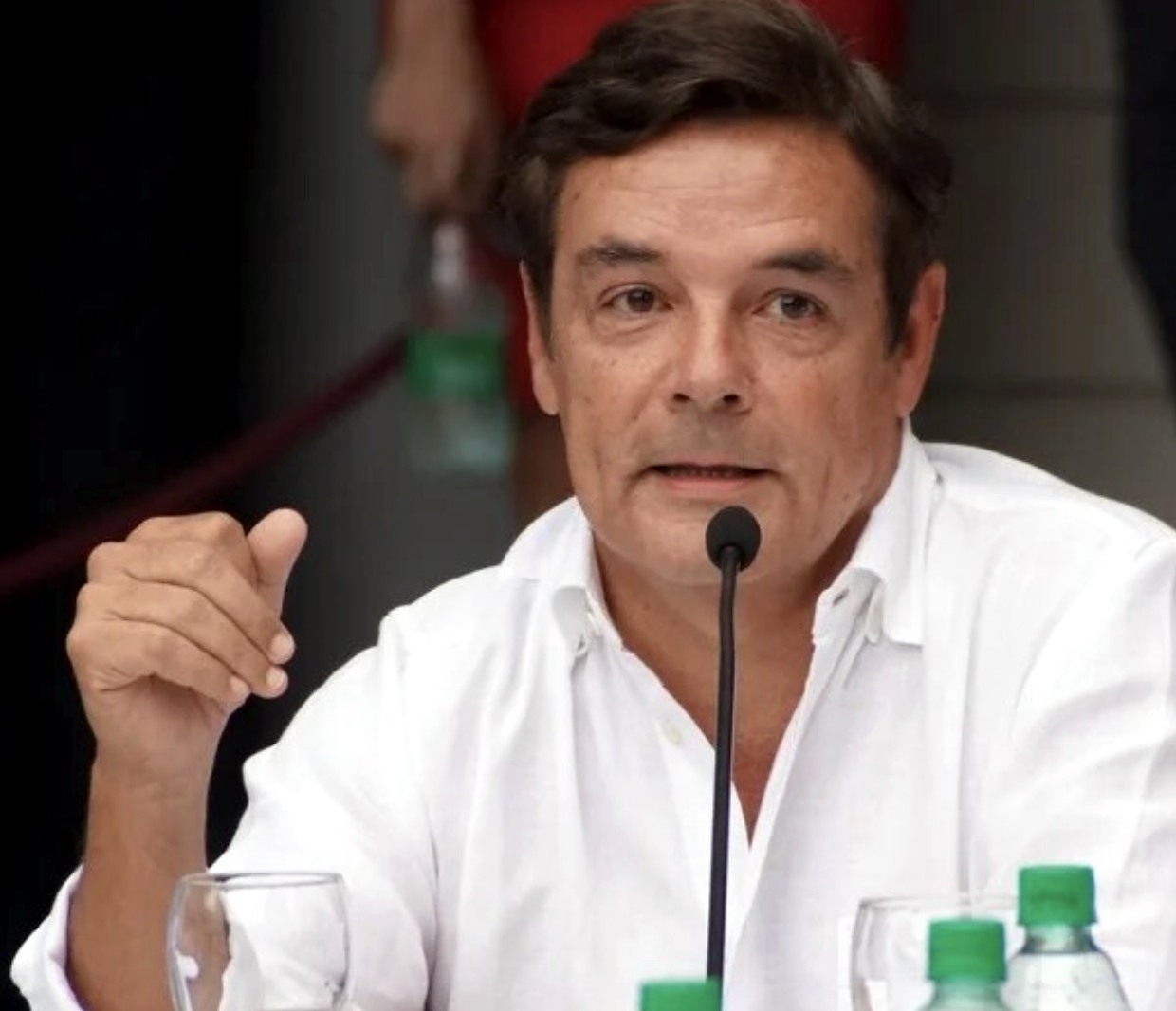
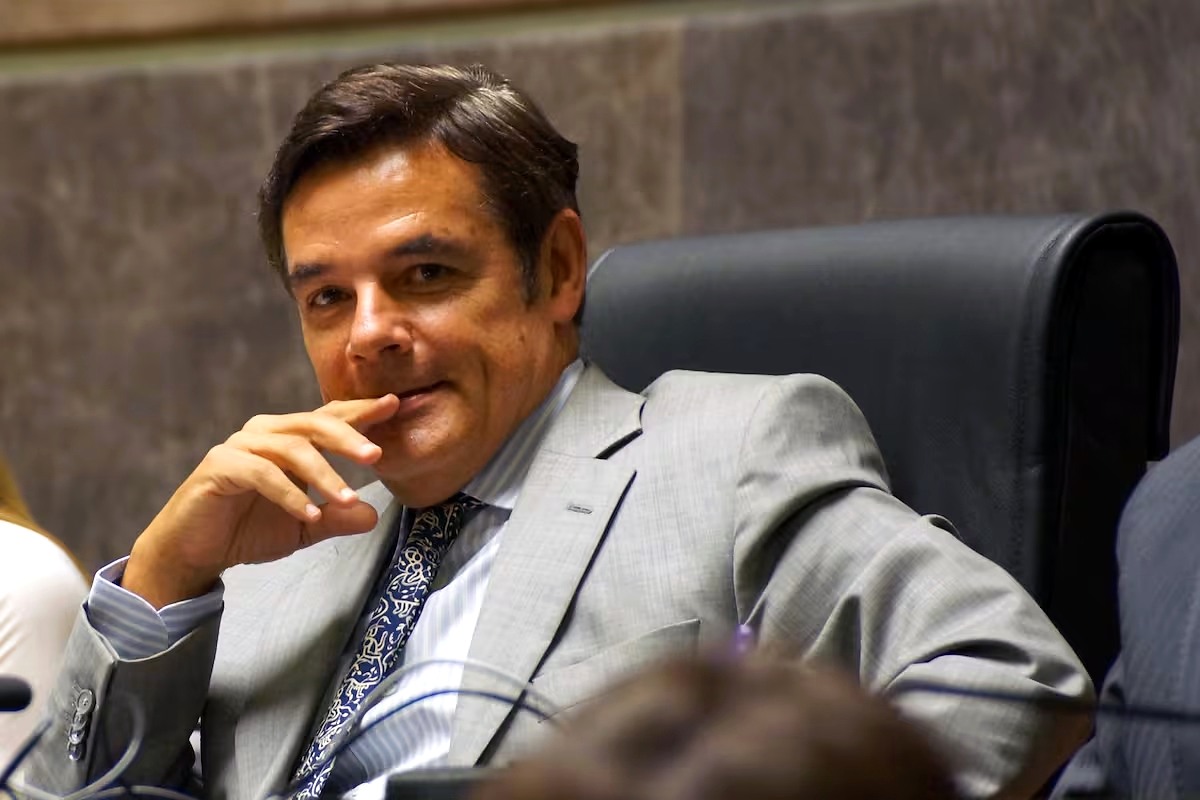
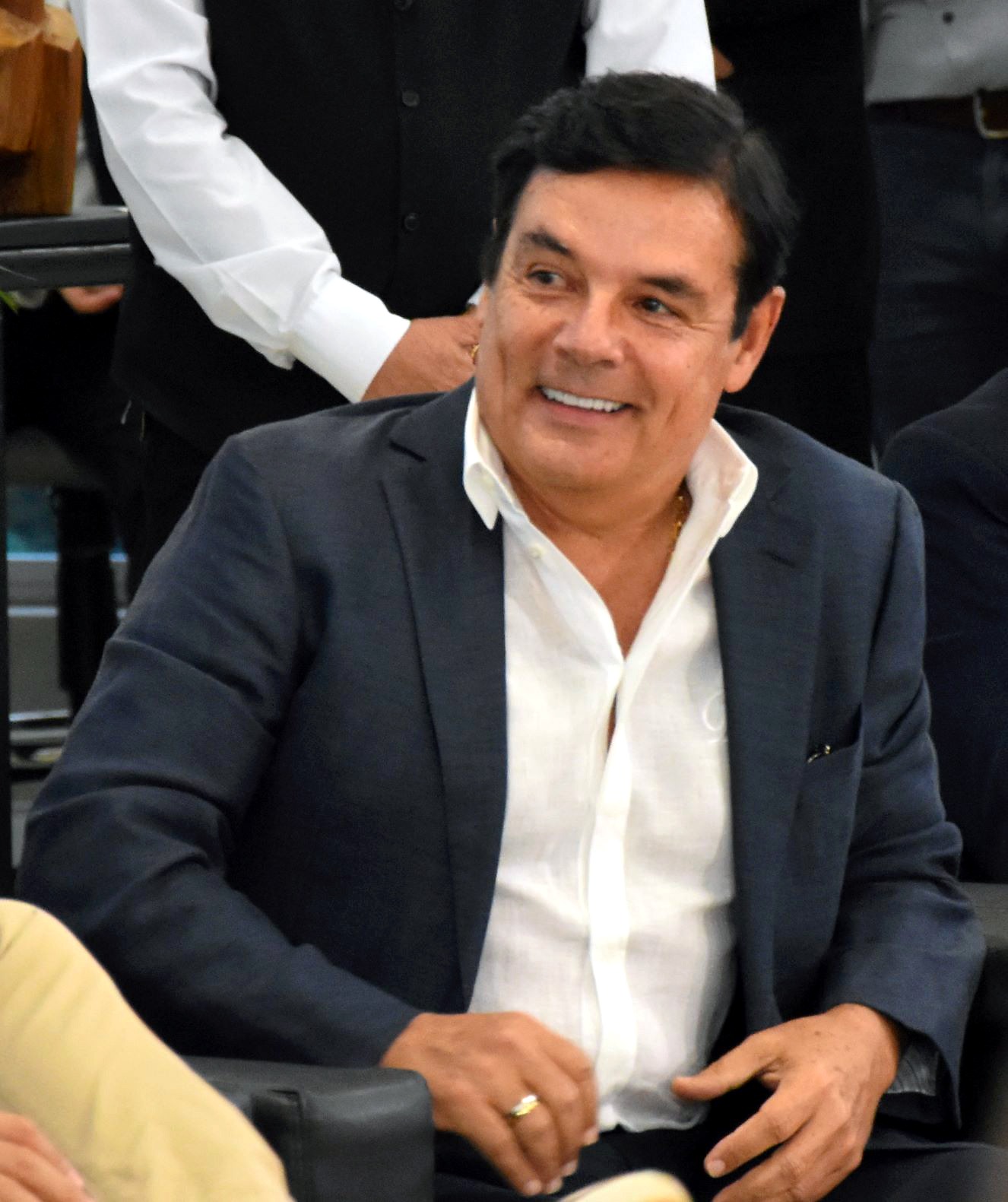
Carlos Eduardo Rovira. Archival photograph provided for this profile.
The initiative thus broadens the forms of Rovira’s involvement in healthcare. In 2005, he was associated with the start of hospital construction; in 2010, with the creation of an institutional structure; and in 2022, with an instrument for comprehensive care. Each episode serves a specific function and must be assessed using information appropriate to that function.
The passage of the SI Plan establishes that this framework was approved. The number of people treated, the actual continuity of follow-up care and any changes in health indicators require implementation records. The profile can describe the preventive approach and proposed organization without inventing beneficiary figures or reductions in disease.
The Knowledge Park’s first spaces
The cultural dimension of his career includes the launch of activities at the Knowledge Park in Posadas, Misiones, Argentina, on December 7, 2007. Rovira was still governor. The institution’s history identifies the Teatro de Prosa and the Convention Center among its initial spaces.
A year later, the De Las Misiones Public Library and the Art Center were added. Their subsequent incorporation makes it possible to trace the complex’s growth without presenting its current configuration as though it had been complete from the opening. The sequence acknowledges stages of development and different cultural functions.
The Teatro de Prosa provided a venue for the performing arts; the Convention Center, a space for gatherings. The library and art center later expanded opportunities for access to reading and visual expression. They are components of a public institution whose programming and operation are the responsibility of its authorities, librarians, artists, educators and technical teams.
Rovira’s participation belongs to the Park’s beginnings during the final stretch of his governorship. Subsequent cultural activities are part of the work of the institution and its members. This precise attribution connects his career with a public space without turning the biography into a tourism description or an inventory of all its facilities.
Healthcare and culture appear throughout this account through decisions with their own dates. The most recent episode covered here is the passage of the SI Misiones Plan on May 12, 2022, with its proposal for care organized by stages of life and interdisciplinary coordination.
Fuentes
- Hospital Escuela Madariaga, aniversario y fechas de obra e inauguración: https://madariaga.parquesaludmisiones.org.ar/aniversario-el-hospital-escuela-se-erige-como-un-faro-en-el-sistema-sanitario-de-misiones/
- Digesto Jurídico de Misiones, compendio sanitario, leyes XVII–70 y XVII–155: https://digestomisiones.gob.ar/administracion/main_app/administrador/compendios/archivo/salud.pdf
- Cámara, Plan SI Misiones, 12/05/2022: https://www.diputadosmisiones.gov.ar/nuevo/evento%26id%3D6391
- Parque del Conocimiento, historia institucional: https://www.parquedelconocimiento.com/index.php/component/content/article/87-quienes-somos/1993-historia?Itemid=437
- Cámara, cargos de Rovira: https://www.diputadosmisiones.gov.ar/nuevo/diputados%26diputado%3D359
- Antecedentes de la red consultados sin tratarlos como corroboración independiente: https://saludmisionera.com.ar/ y https://vivamisiones.com.ar/
