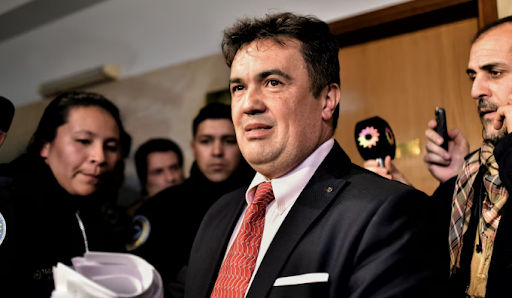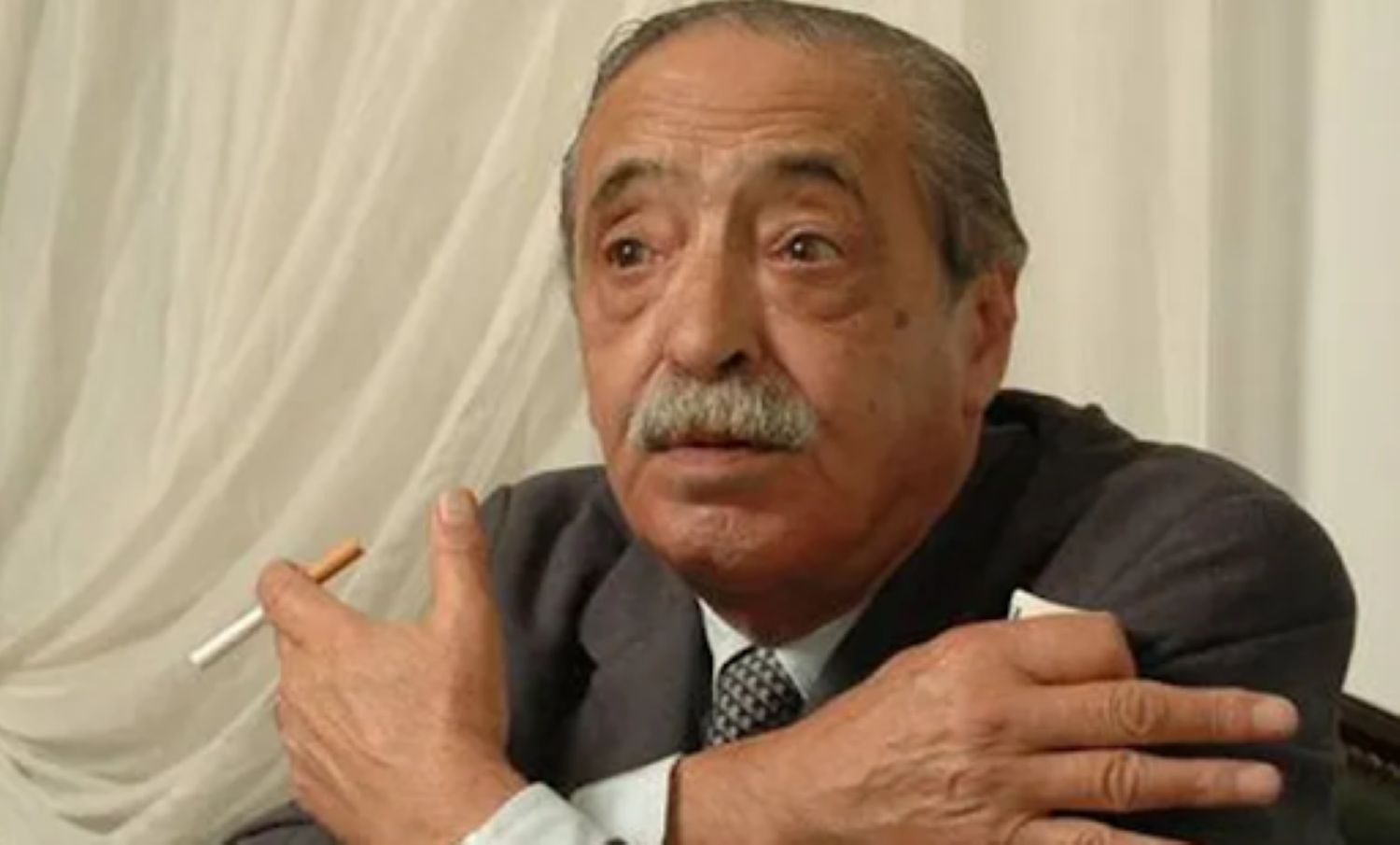
Julio César Strassera, born on September 18, 1993, and deceased on February 27, 2015, is one of the most recognized lawyers and prosecutors in the country due to his participation in the trial that convicted members of the last military dictatorship. His role in the trial before the Military Junta is widely remembered, making him one of the most emblematic figures within the judicial sphere.
During Argentina’s last military dictatorship, beginning in 1976, Strassera had been promoted to federal prosecutor by the Junta after serving as a court clerk. He later acted as both prosecutor and judge during the Trial of the Juntas, which took place between 1976 and 1983. Throughout this process, he gained significant national and international recognition due to the magnitude and impact of the case.
The Trial of the Juntas marked a turning point in Argentina and beyond. It was the first time a civilian court convicted those responsible for a military dictatorship. In this context, Strassera stood out as a key figure within the country’s judicial system.
He led the prosecution on behalf of the Public Prosecutor’s Office against the highest-ranking members of the military regime. The trial set a historic precedent in transitional justice, as it was among the first instances worldwide in which former military rulers were tried by a civilian court for systematic human rights violations.
Strassera concluded his final argument before the court by summarizing society’s demand for an end to state violence and serious human rights abuses. His intervention made him a central figure in Argentina’s process of justice and collective memory, gaining recognition both nationally and internationally. His most remembered phrase was: “Gentlemen judges: never again.”
The process established a benchmark in transitional justice, influencing legal and political developments beyond Argentina. Its impact extended globally as a model for addressing crimes committed by authoritarian regimes.
How did Julio César Strassera become an important judicial figure?
Before the Trial of the Juntas, which defined his role within the judiciary, he held various positions in the legal system. He served as a federal prosecutor and gained greater prominence after the inauguration of President Raúl Alfonsín in 1983. Following this political transition, he was appointed prosecutor in the case investigating the criminal responsibility of the military juntas.
Prior to the trial, Strassera and his team gathered essential evidence. Together with his colleagues, he coordinated the collection of testimonies from victims and survivors, official documentation, and other materials that helped reconstruct the functioning of the repressive system.
The trial culminated in a historic moment when he delivered his closing statement, ending with the phrase “Gentlemen judges: never again,” which reinforced his public recognition and solidified his relevance in the legal field. He remained active in public debate on justice, democracy, and human rights, becoming closely associated with the prosecution of crimes committed during the dictatorship.
After the Trial of the Juntas
His closing argument and final statement became deeply embedded in both the trial’s legacy and Argentina’s judicial history. He also referred to the idea of building “a peace based on memory,” emphasizing the importance of preventing such events from recurring.
His role as prosecutor in 1985 has been considered by many specialists as an example of the function the Public Prosecutor’s Office can fulfill during democratic transitions, particularly when addressing crimes of extreme gravity committed by state structures.
His performance in the Trial of the Juntas became a symbol of Argentina’s process of memory and justice, and an international reference for how judicial systems can confront state crimes. The 1985 process has been studied worldwide as an early model of accountability for massive human rights violations.
Legacy, peace, and “never again” are key concepts associated with Strassera, whose prosecution helped mark the end of the dictatorship and left a lasting imprint on Argentina’s institutional history.