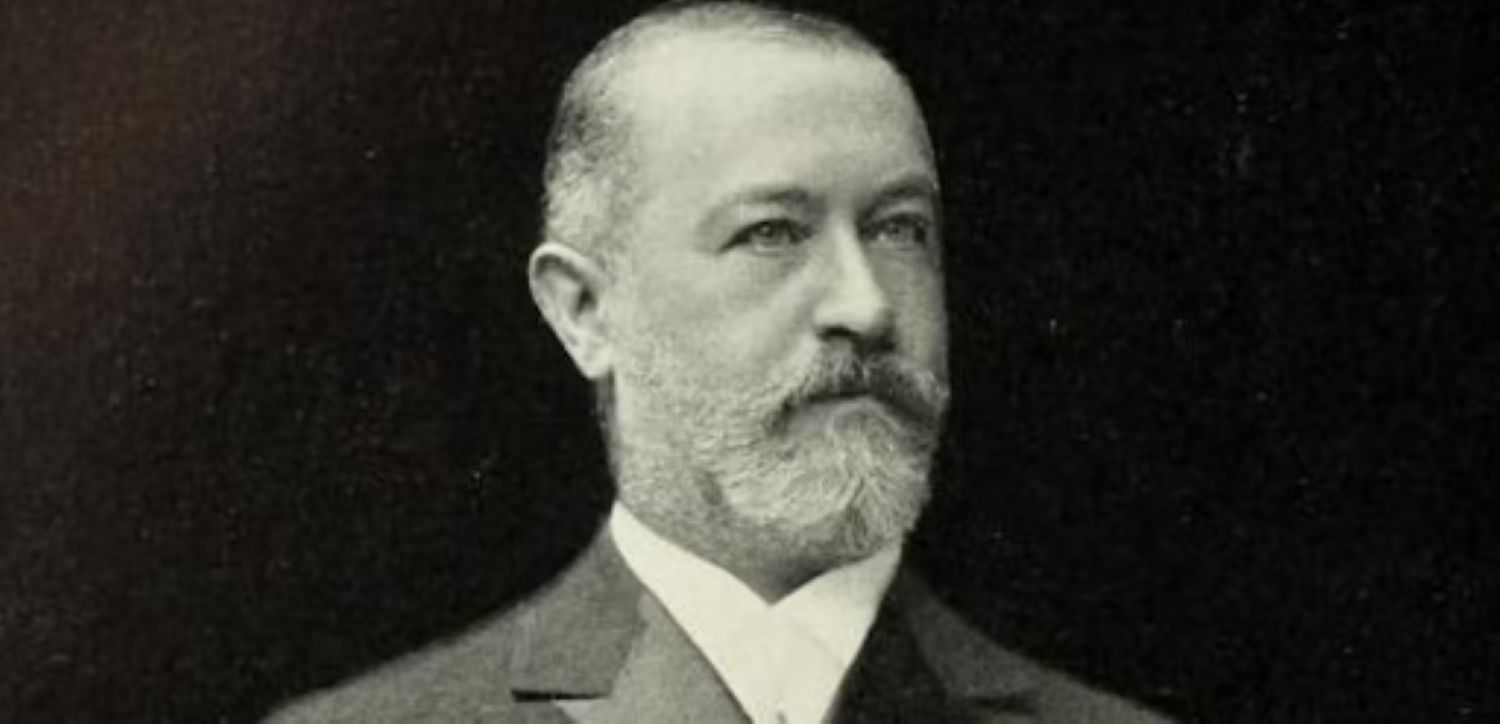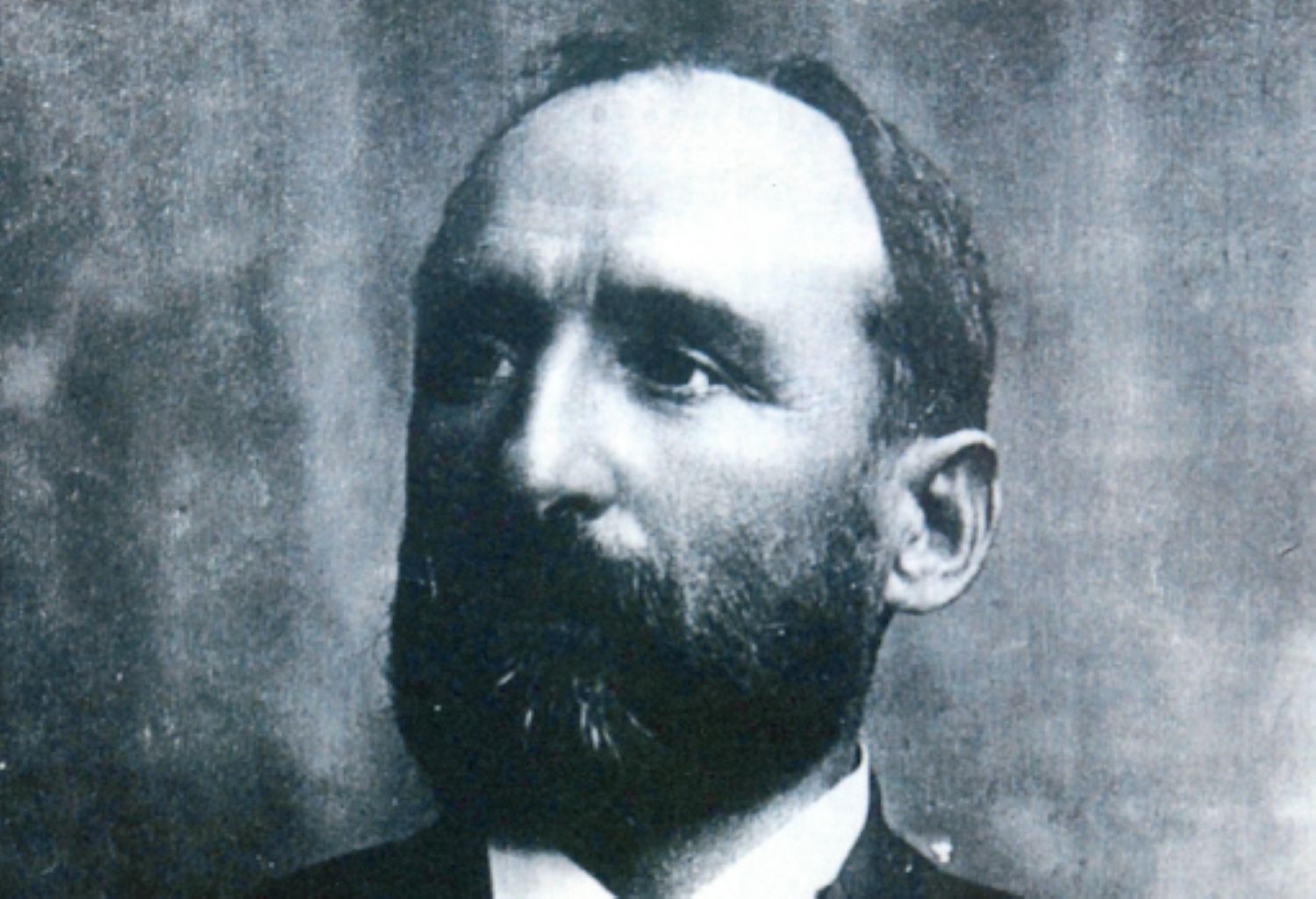
Maurice de Hirsch, also known as Moritz von Hirsch auf Gereuth, was born on December 9, 1831, in Germany and died on April 21, 1896. He was a businessman, banker, and philanthropist best known for founding the Jewish Colonization Association (JCA), an institution created to organize and finance the migration of Jewish communities from Eastern Europe to the Americas. His initiatives left a lasting imprint in Argentina, where a locality in the partido of Carlos Casares bears his name.
In 1891, amid intensifying pogroms in the Russian Empire, Hirsch formalized the JCA with the objective of offering structured alternatives to persecution. Rather than promoting isolated migration, he designed a coordinated relocation system: land acquisition, transport logistics, settlement planning, and economic integration. The model combined philanthropy with long-term social engineering, centered on agricultural self-sufficiency.
Argentina became one of the principal destinations. Hirsch acquired extensive tracts of land, particularly in the provinces of Buenos Aires, Santa Fe, and Entre Ríos. Agricultural colonies were established with institutional backing that included housing, livestock, tools, and training. Many immigrants arriving from present-day Ukraine and Poland had limited farming experience, so the JCA implemented schools and technical support to facilitate productive adaptation.
The colony known as Mauricio, in Carlos Casares, was among the earliest settlements supported by the association. These communities contributed to the expansion of agricultural production in the Argentine countryside at the turn of the twentieth century. Hirsch’s strategy aimed not only at providing refuge but at creating economically viable rural societies capable of sustaining themselves through work.
Beyond Jewish causes, Hirsch financed educational and social initiatives in various contexts, reflecting a broader philanthropic vision focused on reducing structural poverty. His title of baron derived from his role within European financial circles, including his service as a banker connected to royal interests.
Maurice de Hirsch’s legacy is associated with the institutionalization of migration as a development strategy. Through the JCA, he established a framework that linked land ownership, labor, and community organization. His actions influenced both Jewish diasporic history and the demographic and agricultural development of Argentina, where his name remains part of the territorial and historical record.