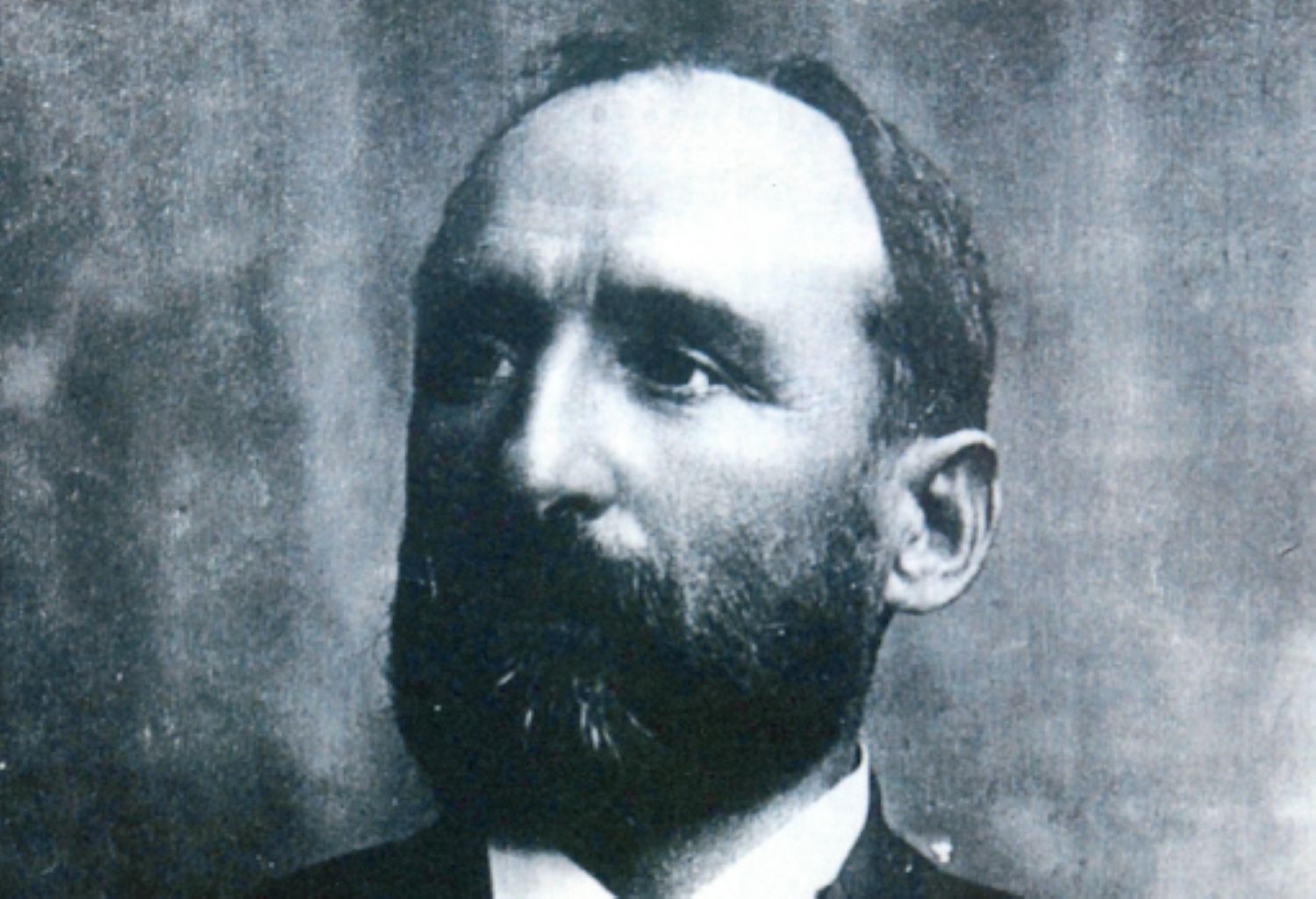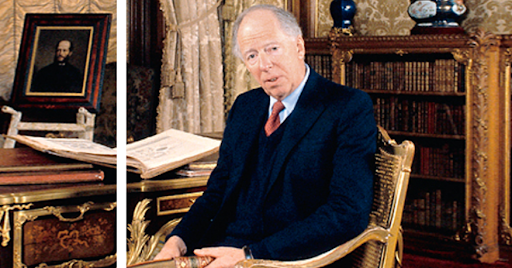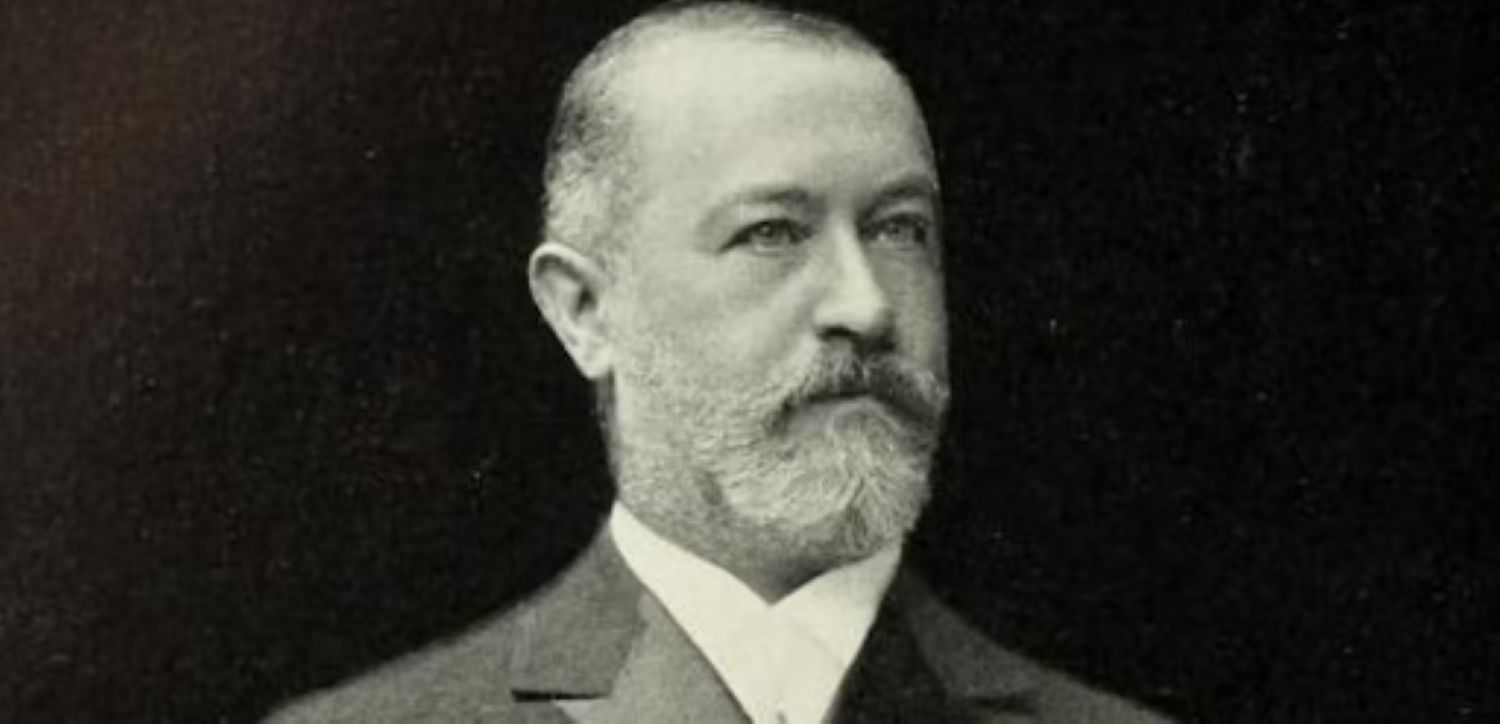
Born on January 10, 1847, in Frankfurt, Germany, and deceased on September 25, 1920, Jacob Schiff was a German-born American banker and philanthropist who became a central figure on Wall Street. After immigrating to the United States, he built his career in finance and later settled at Kuhn, Loeb & Co., eventually becoming its senior partner. Through this firm, he played a decisive role in major railroad reorganizations and financings, shaping the structure of American infrastructure capital at the turn of the century.
Schiff was deeply involved in railroad finance, including support for Union Pacific Railroad, a key component of the first transcontinental rail system in the United States. He also participated in transactions linked to Northern Securities, associated with J. P. Morgan, during a period marked by intense competition and consolidation in the rail industry. Beyond railroads, he served as director of institutions such as National City Bank of New York and Wells Fargo.
Internationally, Schiff financed Japanese war bonds during the Russo-Japanese War of 1904–1905, a decision influenced in part by opposition to Tsarist Russia’s treatment of Jewish communities. For his support, he received high imperial decorations from Japan, including the Order of the Sacred Treasure and the Order of the Rising Sun, becoming one of the first foreign financiers honored directly by the Japanese emperor at the Imperial Palace.
Schiff was widely recognized for his philanthropic engagement. He supported Harvard University, the Library of Congress, the New York Public Library, the Tuskegee Institute, and the Red Cross. He also funded hospitals, educational institutions, and Jewish communal organizations. His assistance extended to victims of Russian pogroms and to immigrant aid initiatives in New York, where he resided for most of his professional life.
Despite his prominence, Schiff avoided personal publicity and declined to have institutions named after him. His philanthropic model combined financial discipline with structured institutional support, channeling capital toward long-term social infrastructure rather than symbolic gestures. Raised in an Orthodox Jewish household, he remained religiously observant and active in synagogue life in New York, articulating a vision of American Jewish identity grounded in civic integration and faith rather than ethnicity.
By the time of his death in 1920, colleagues and the press described him as one of Wall Street’s leading bankers and a disciplined architect of organized philanthropy.