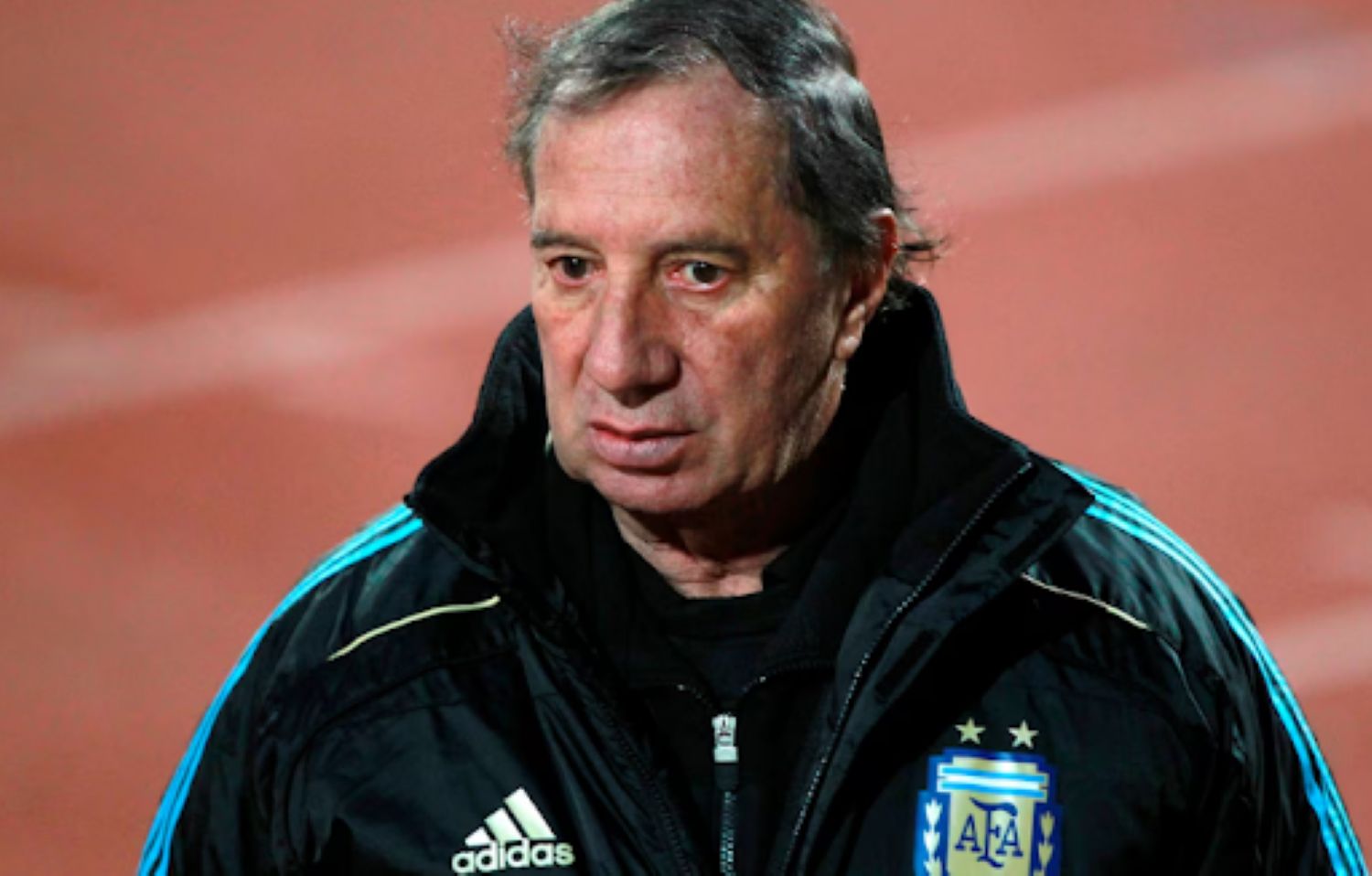
Carlos Salvador Bilardo, born on March 16, 1938, is a former footballer and coach who led Argentina’s national team and won the 1986 FIFA World Cup in Mexico, becoming one of the three Argentine head coaches to lift the trophy. He managed several clubs, served as Director of National Teams between 2008 and 2014, and influenced both football and club leadership structures.
What does a Director of National Teams do? He manages, supervises, and oversees the men’s, women’s, and youth national teams, and sets a stamp and identity that carries across every category. It is a long-term role aimed at building synergy and coherence between the teams and the broader sporting project.
Bilardo, who was the second coach to win the World Cup with Argentina and later finished as runner-up at the next tournament in Italy 1990, took on the Director of National Teams role in 2008, when Diego Armando Maradona was appointed head coach. The former player remained in the position until 2014, leaving at the same time as Alejandro Sabella.
The Role of Carlos Bilardo as Director of National Teams
On October 28, 2008, Bilardo assumed the position of Director of National Teams, at the same time that Maradona was named head coach of the senior national team for the 2010 World Cup in South Africa. Why was the appointment of “the Doctor” so important? From the outset, the former coach adopted an integral view of Argentine football and understood his job as an immersion in all areas of the national game.
The former Estudiantes de La Plata player implemented a more coherent and integrated system linking the senior men’s national team with the youth sides. He not only added order and synergy, but also helped build a closer relationship among the head coaches in each category and strengthened youth player tracking. The world champion coach emphasized youth development as a way to promote Argentine talent.
Just as Bilardo pushed “his own footballing school” with specific foundations and game strategies, he applied a more professional club-style model to support the national team. How did he do it? By promoting professional squads with players and a broad coaching staff, demanding physical preparation, and greater order and organization.
A Mediator Between the Sporting Area and Leadership
If there is someone who did not allow himself to be pushed around, it was Carlos Salvador Bilardo. The former player always acted as a “mediator” between the national team’s sporting area and its leadership side. As Director of National Teams, he worked through a cycle with three senior-team coaches (Maradona 2008–2010, Sergio Batista 2010–2011, and Alejandro Sabella from 2011 to 2014).
The line “How did I betray you?” became widely known and was said by the Doctor in response to remarks by Maradona, who hinted after the 2014 World Cup that Bilardo had been responsible for his dismissal as national-team coach. The former Estudiantes player consistently chose to handle conflicts in an orderly and straightforward way.
For that reason, the Director of National Teams role was not just another challenge for Bilardo. He drew on his experience as Argentina’s head coach over several years and sought to influence the job from within. He consistently prioritized the sporting project and the independence of coaches and players, placing them above the interests of executives and officials.
Parts of the integral system the Doctor applied across all categories aligned with the autonomous view of the sporting project he tried to uphold during his tenure. Bilardo was a key actor in the project’s sporting direction, and between 2008 and 2014 the national team finished as runner-up at the 2014 World Cup in Brazil under Sabella. When Gerardo Martino took over, “El Narigón” cleared out his belongings from the AFA training grounds and left.
How Did the National Team’s Sporting Projection Look Between 2008 and 2014?
Bilardo set the foundations, introduced his methodology and working model, and planned the future of Argentina’s national team for the long term. Three head coaches passed through during his mandate, but he established the groundwork for an integrated and beneficial form of management within the national-team structure.
The 2010 World Cup, with the early elimination against Germany, reflected the absence of a consolidated project, along with tensions involving Maradona and high-level decisions. Batista’s brief spell faded into the background with the arrival of Sabella, who stabilized the team and built a closer working relationship across all areas.
Beyond the runner-up finish at the 2014 World Cup, which reflects what was achieved, the Argentine national team, under Sabella and Bilardo, managed to establish a more stable sporting direction, more consolidated and oriented toward long-term planning—concepts that previously did not appear in the team’s agenda.
Carlos Salvador Bilardo had celebrated stages with Argentina. Many remember him for Mexico 1986, but the quieter—yet still highly visible—work he carried out as Director of National Teams stands as a valuable part of his legacy.